
MCB Tripping: Causes, Troubleshooting, and Prevention
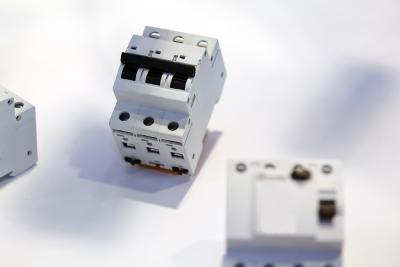
Miniature Circuit Breakers (MCBs) are an essential part of electrical systems and help safeguard against overloading and short circuits. The seemingly frequent interruption in the form of MCB tripping is highly inconvenient and can cause other issues within the electrical system. This article will look at the common reason for MCB tripping, the diagnostic steps, and the corresponding measures that should be taken to avoid MCB tripping.
Table of Contents
Understanding MCBs
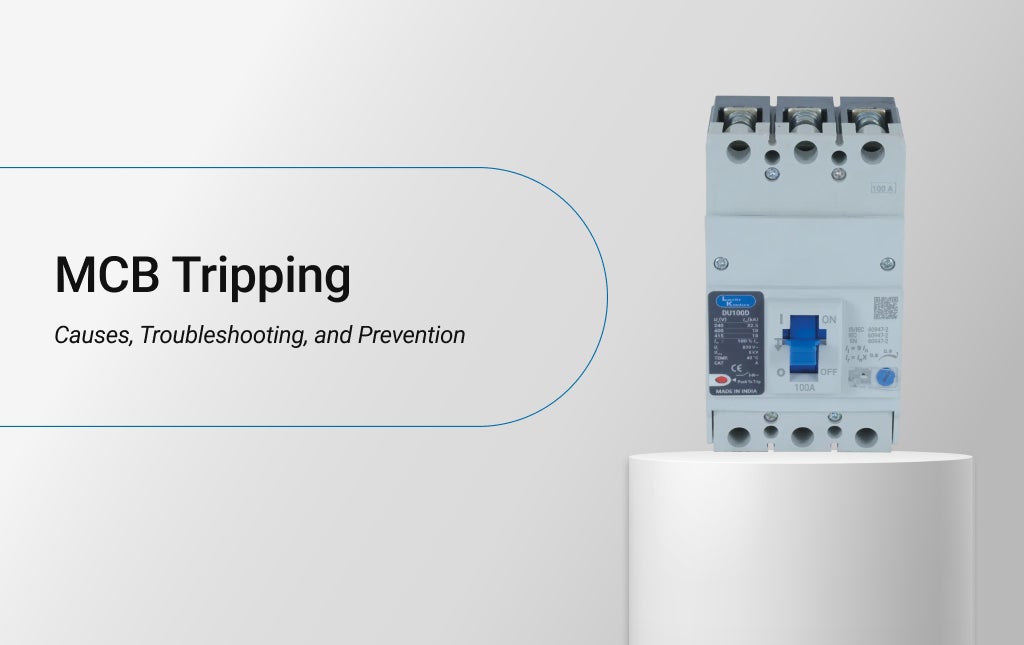
Before knowing enough about MCB tripping, one has to understand its primary function. MCBs operate by sensing different waveforms created by the movement of abnormal currents through a circuit. When the current flow is over a certain limit, the circuit breaker "trips," reducing the electrical current and thus saving the circuit and all the connected appliances or gadgets from damage.
Common Causes of MCB Tripping
Some MCB tripping reasons are mentioned below:
Overloading
The most fundamental reason why MCB trips is circuit overloading. This happens when the flow of current is more than the capacity of the MCB. For instance, putting too many high-power appliances, like air conditioners, pumps, TVs, etc, on one circuit can surpass the MCB limit, making it trip down. Make sure that MCB is as large as the load size, thereby preventing overloading.
Short Circuit
The most common cause of tripped MCB is also a short circuit. When the current goes straight through the earth or the live wire, it directly causes the rise in current. This abnormally high surge can be more than MCB's trait limit and can cause an instant disconnection to avoid any further mishap.
- Inspect Wiring: Check the cables regularly to avoid any damaged wires.
- Replace Faulty Devices: Immediately change the failed units that will cause a short circuit.
Ground Fault
Just like a short circuit, a ground fault happens when a live wire touches the grounded part of an appliance or a building structure, providing a route for the current to flow to the ground. In this circumstance, the sudden rise in the current speed leads to MCB tripping.
- Isolate Faulty Devices: Unplug equipment suspected to be ground fault prone.
- Install ELCB or RCCB: The rise of Earth Leakage or Residual Current Circuit breaker has made it easy to detect any ground fault and shut down the circuit.
Faulty or Aging MCB
The MCB might be the problem itself. Following longer use or straining, elements like batteries and smaller parts may get damaged, causing sensitivity issues. The inability of an old or impaired MCB can trip even when normal load conditions are provided.
Recurring MCB excursions should be addressed. Repair and inspection by a professional electrician from time to time would allow you to avoid the risk in a timely manner. This will guarantee the safety as well as the efficiency of the electrical system.
How to Identify the Cause of Circuit Breaker Tripping?
When the MCB trips frequently, the underlying electricity problem has to be solved. Follow these steps to pinpoint what is causing the circuit breaker to trip:
Disable All Connected Devices
One common MCB trip reason is circuit overload caused by multiple high-power devices running simultaneously. So, unplug all appliances like microwaves, toasters, and irons before attempting to reset the breaker. You can determine if the MCB tripping issue is due to excessive power consumption or another underlying cause by removing potential excessive power consumption.
Reset the Circuit Breaker
A frequently tripped MCB may indicate an overcurrent issue. Turn the breaker completely off and wait for a few seconds. Then, switch it back on. If the breaker stays on, the problem might be an overload. However, if the MCB keeps tripping, there may be a short circuit or wiring issue.
Test Devices Individually
Turn on appliances one at a time to pinpoint what causes an MCB to trip. It may be faulty or drawing too much power tf the breaker trips when a particular device is used. This process helps isolate problematic appliances. It also prevents future instances of why MCB trips frequently. This ensures better circuit stability.
Isolate Problematic Devices
Try using it in another circuit if an MCB tripped after plugging in a specific device. The device itself may be faulty if it trips again. Otherwise, the issue may be with the wiring or an overloaded panel if it still trips on the original circuit. It will require immediate attention to how to fix MCB tripping problems.
Assess Circuit Performance
Check nearby circuits if unplugging all devices doesn't prevent MCB tripping issues. The affected breaker may have a short circuit or internal fault if they work fine. Inconsistent power supply can also be a MCB trip reason. This is especially the case if loose connections or damaged wires are present within the electrical system.
Seek Professional Help
It’s best to contact a qualified electrician if you’ve tried these steps but the MCB keeps tripping. Electrical faults can be hazardous, and expert diagnosis ensures proper solutions. A professional can assess why MCB trips frequently, fix short circuits, and recommend upgrades to prevent further MCB tripping issues, ensuring a safe and reliable power supply.
How to Troubleshoot MCB Tripping
Here are the main points for troubleshooting MCB tripping:
- Safety First: Before touching anything, switch OFF the main power supply. This protects you from electric shock and prevents further damage. Never handle wiring or switchboards with wet hands. If you notice burning smells, sparks, or melted parts, stop immediately and call an electrician.
- Remove Loads: Unplug all appliances connected to the affected circuit. This helps you isolate whether the problem is caused by an external device or the internal wiring.
- Reset Breaker: Turn the MCB OFF and then ON after removing the load. If it stays ON, the issue is likely with one of the appliances. If it trips again immediately, the problem may be in the wiring or the breaker itself.
- Test Appliances: Reconnect devices one at a time.When the MCB trips after plugging in a particular appliance, that appliance is probably faulty. Common culprits include heaters, irons, geysers, and old refrigerators. Repair or replace the faulty device.
- Reduce Overload: If the MCB trips only when several appliances run together, it’s an overload issue. High-power appliances should not share the same circuit. Spread them across different sockets or circuits to avoid excessive current draw.
- Check Moisture: Inspect damp areas like bathrooms, kitchens, or outdoor points. Moisture can cause leakage currents that trip the MCB.
- Inspect Wiring: Look for loose connections, damaged insulation, burnt sockets, or rodent damage. Faulty wiring is a common cause of repeated tripping.
- Check the MCB: If the MCB trips even with no load connected, it may be worn out or defective and needs replacement.
- Call a Professional: If tripping continues despite basic checks, contact a qualified electrician to avoid fire hazards or serious electrical damage.
Also Read: Moulded Case Circuit Breaker: Types & Installation Tips
How to Prevent MCB Tripping?
The preventive efforts can diminish the risk of MCB breaking down to achieve reliable performance of the electrical system and the goal of less downtime or damage to machines. Here are some strategies to consider:
- Distribute Electrical Load: Distribute electrical appliances evenly on various circuits to ensure that no circuit is overloaded. High-wattage appliances must be connected to single circuits, extension chords, and power strips—'daisy-chaining' should be avoided! In so doing, single circuits ensure relatively non-congested circuits, which in turn stop undesirable short-circuiting or overloading.
- Regular Maintenance: Regular inspections and monitoring of the electrical system, including wiring, connections, and appliances, should help prevent electrical fires. Fast repair of defective items or parts will help avoid short circuits, accidents, and ground faults.
- Upgrade Wiring and Components: A great approach will be to switch internal wiring, whether old or inadequate switches, sockets, and MCBs, to meet the modern safety standards instituted and cater to the electrical demands of the present appliances.
- Install Surge Protection: Installing the Surge Protection Device (SPD) at the main distribution panel or specific circuitry helps protect against lightning strikes and momentary surges of voltage in the circuit.
- Implement Ground Fault Circuit Interrupters (GFCIs): Putting GFCIs into moisture—or water-ingress-prone areas, such as the kitchen, bathroom, and outdoor outlets, will ensure protection against the hazard of electrical shock. Devices installed within GFCIS also prolong equipment’s life and decrease the risk of receiving a shock.
- Educate Users: Inform the other members of the household about electrical safety, including how to use the appliances correctly, that overloading the circuits is not allowed, and to be wary of uncommon electrical issues.
Benefits of Choosing a High-Quality MCB
Usually, once the MCB (Miniature Circuit Breaker) trips frequently, the problem is supposed to be resolved immediately. On the same note, arc faults are a source of MCB trips. It won’t be good enough to get an inexpensive MCB. Make sure that you purchase a good MCB to secure connected devices effectively. Here are several reasons why investing in a high-quality MCB is essential:
- Arc Energy Resistance: The best version of an MCB is made of rivet body material and is able to withstand the arc energy invoked when an electrical current is interrupted. It is a powerful device to use in case of accident, fire, or any thought of danger. This reduces the hazard and protects the MCB.
- Temperature Surge Protection: Quality MCBs are designed with bigger coil diameters in order to avert the rise in temperature, which, in the long run, enables extensive circuit closure.
- Superior Contact Material: MCBs can trace out improved contact substances that quickly react in case of any power faults. This increases process efficiency and helps avoid component failure.
- Instant Overload Protection: A well-identified MCB is supposed to trip in the event of an overload immediately, and in this way, the circuit and the connected equipment are safe.
- Quick Response to Short Circuits: Good quality MCBs have high-grade bi-metal strips that contact the breaker almost instantly during short circuits, interrupting the stock away immediately.
Also Read: MCB (Miniature Circuit Breakers) Guide - Types, Sizes, And Uses
Conclusion
A typical cause of MCB trips is overload, short circuits, ground faults, or environmental impacts. Solving an MCB tripping problem involves a step-by-step checkup and testing to determine the exact trouble and then fixing it by making the needed repairs. Load distribution, regular maintenance, and the installation of protective devices are some of the measures for addressing the risks associated with MCB tripping time and, hence, electrical safety.
Lauritz Knudsen offers a broad spectrum of exceptional MCBs and fault-curbing gadgets supplied to reduce trip risks in association with the influx of load. Through the platform, users get the privilege to select from a wide range of reliable electrical equipment to maintain safety while assuring longevity. So, choose Smartshop of Lauritz Knudsen for the electrical systems of your home or business to safeguard reliably.
FAQ
Q. How can I ensure the longevity of my MCB and avoid frequent trips?
Ans: Regularly inspect your electrical wiring for faults or overloads to extend the lifespan of your MCB. Avoid excessive use of high-power appliances on a single circuit. You must invest in a high-quality MCB with the right amperage for your needs to prevent frequent tripping.
Q. Are there any safety precautions to take when an MCB trips?
Ans: Always switch off all connected appliances before resetting the MCB. Ensure your hands are dry and avoid touching exposed wiring. Do not force it back on if the MCB trips repeatedly. Instead, identify and fix the underlying issue or consult an electrician.
Q. Can using extension cords cause MCB tripping?
Ans: Usage of multiple high-power appliances on a single extension cord can overload the circuit, causing the MCB to trip. It's best to use extension cords only for low-power devices and avoid daisy-chaining multiple cords.
Q. How do I reset a tripped MCB?
Ans: First, switch off all connected appliances. Locate the tripped MCB and push it to the "off" position before switching it back to "on." If it trips again immediately, there may be a short circuit or overload issue requiring further investigation.
Q. Can an MCB trip due to high voltage?
Ans: Yes, sudden voltage surges can cause an MCB to trip as a safety measure to protect electrical appliances. You must install a voltage stabilizer or surge protector to prevent such incidents.
Q. What should I do if my MCB trips at night?
Ans: Check if any appliance was left on or if a short circuit occurred if your MCB trips at night. Use a flashlight to inspect for any visible signs of electrical damage. Wait until daylight or seek professional help if the issue persists.
Q. How can I identify a faulty appliance causing MCB trips?
Ans: Unplug all appliances and reset the MCB. Plug in each device one at a time and monitor when the MCB trips. The faulty appliance will cause the trip when reconnected. This indicates the need for repair or replacement.