






Junction Box vs. Terminal Box: What’s the Difference?

Table of Contents
If you’ve ever watched wiring work happen up close, you’ll know that a lot of it looks simple until it isn’t. Boxes get opened, wires branch out, screws get tightened, and suddenly someone mentions a junction box or a terminal box. That’s usually where confusion starts. The terminal box vs junction box debate exists because both sit quietly in electrical systems doing their job without drawing attention. But they are not interchangeable. They are built for different reasons, used in different places, and treated differently once installed. Understanding the difference is less about theory and more about how electricity is actually handled in the real world.
What is Terminal Box?
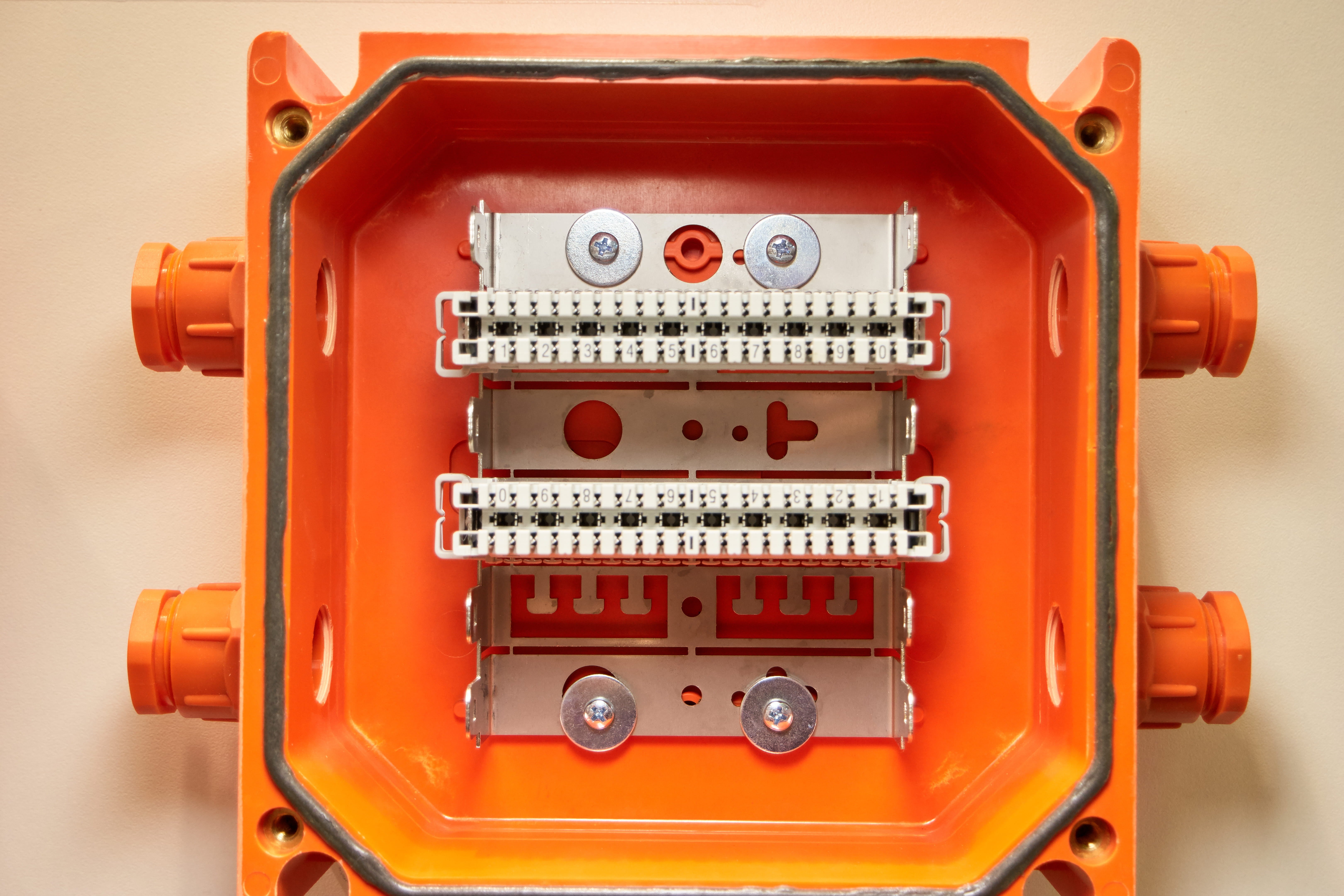
To understand what is terminal box, it helps to imagine a situation where wiring must stay neat no matter what. A terminal box is not meant for casual wire joining. It is designed for controlled connections where every conductor has a fixed place and purpose. Inside, wires are held by terminal points instead of being twisted together. This alone changes how stable and reliable the connection becomes.
An electrical terminal box is commonly attached to equipment like motors, pumps, or control panels. These setups run for long hours and often face vibration or heat. Loose wiring in such conditions causes faults quickly. This is why terminal boxes exist. They reduce movement, limit errors, and keep connections readable.
When people ask what is terminal box, they often overlook the maintenance aspect. These boxes are meant to be opened. Technicians check them, tighten terminals, and trace circuits without guessing. Labels, numbering, and structure are not optional here. A terminal box is built for clarity first and protection second.
What is Junction Box?
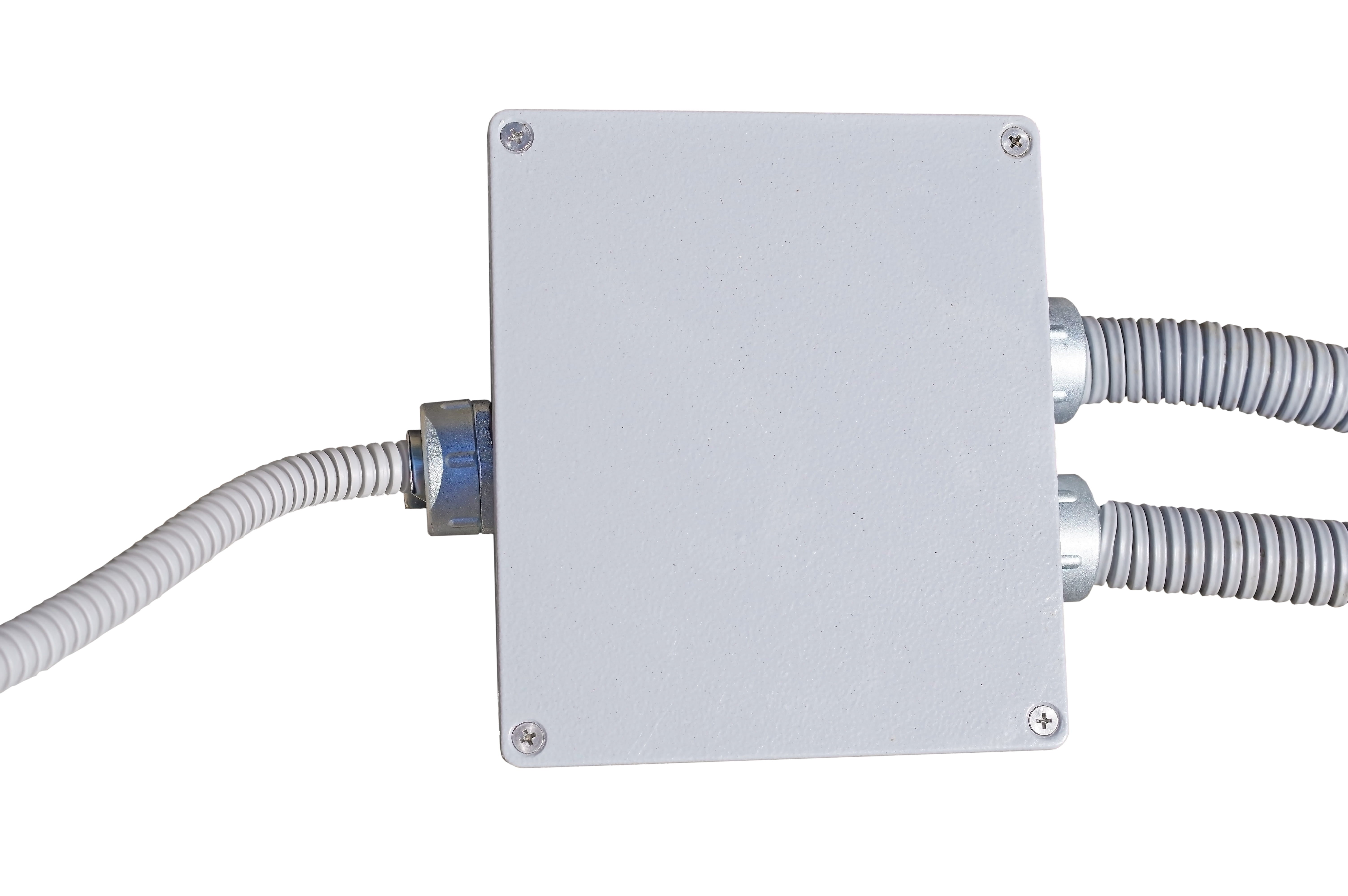
Now let’s answer what is junction box in a simpler way. A junction box exists mainly to keep wire joints safe. Whenever a circuit splits or extends, the connection must be enclosed. A junction box provides that enclosure.
An electrical junction box does not organise wires in a precise layout. Inside, wires are joined using connectors and tucked away safely. Once closed, the box usually stays closed for years. It isn’t designed for frequent access or adjustments.
Understanding what is junction box also means understanding safety rules. Open splices are risky. Heat, moisture, or accidental contact can turn a small mistake into a serious hazard. Junction boxes quietly prevent that. They don’t manage systems. They simply protect them.
How does a Terminal Box Work?
A terminal box works by locking electrical connections into a stable and predictable arrangement. Nothing inside is left loose or floating. The entire design focuses on reducing movement, improving contact reliability, and making future inspection straightforward rather than complicated.
Step 1: Cable Entry
Cables enter through tight fittings that grip the outer insulation. This prevents strain on internal connections. In real installations, this step is crucial because pulling, vibration, or accidental tugs can otherwise loosen conductors over time. Proper cable entry also helps maintain sealing, especially in dusty or humid environments where exposure can shorten equipment life.
Step 2: Wire Preparation
Insulation is stripped carefully. Only the required length is exposed. Stripping too much insulation can increase the risk of short circuits, while stripping too little affects contact quality. Skilled preparation ensures the conductor fits perfectly inside the terminal without leaving bare copper visible outside the connection point.
Step 3: Terminal Fixing
Each conductor is secured onto a terminal point. Screws or clamps hold it firmly. This step creates both electrical continuity and mechanical stability. When tightened correctly, terminals resist vibration and temperature changes, which is especially important in motors, control panels, and machinery that runs continuously for long periods.
Step 4: Identification
Terminals are labelled or numbered. This avoids confusion during checks. Clear identification saves significant time during troubleshooting or upgrades. Instead of tracing wires manually, technicians can quickly locate circuits, verify connections, and make changes without disrupting other parts of the system.
Step 5: Closing the Box
Once verified, the enclosure is closed to protect against dust and moisture. Proper sealing ensures the connections remain untouched by environmental factors. A well-closed terminal box also prevents accidental contact, maintaining safety standards while keeping the internal wiring in stable condition for years.
How does a Junction Box Work?
When thinking about how does a junction box work, it helps to forget ideas of control or organisation. A junction box is mostly about keeping things out of harm’s way. It exists to protect wire joints that would otherwise be exposed and risky, especially once walls or ceilings are closed up.
Step 1: Cable Entry
Cables are brought into the box through conduits or entry holes. This part often looks simple, but it matters more than people realise. If cables are forced in at odd angles or rubbed against sharp edges, insulation can wear out slowly. Clean entry keeps wires relaxed and damage-free.
Step 2: Wire Joining
Wires are connected using insulated connectors to continue the circuit. At this stage, the goal isn’t perfection, it’s reliability. The connectors hold the wires together so current flows without interruption. A properly made joint stays stable for years, even though it’s rarely seen again after closing.
Step 3: Insulation Check
Each joint is checked to ensure no bare conductor is exposed. Electricians usually pause here for a reason. Even a small exposed strand can create problems later. A quick visual check now can prevent short circuits, tripping breakers, or unexpected faults down the line.
Step 4: Space Adjustment
Wires are folded gently to avoid pressure or sharp bends. Junction boxes aren’t meant to be packed tightly. Leaving a little breathing room inside helps with heat and prevents stress on the connectors. Crowded wires tend to age poorly, especially in warm environments.
Step 5: Box Closure
The lid is fixed, sealing the connections inside. Once the cover goes on, the junction box quietly does its job without attention. It blocks dust, moisture, and accidental contact, ensuring the joints remain untouched and safe long after the installation is finished.
Terminal Box vs Junction Box
At first glance, these two boxes may look similar, which is why they are often mixed up. The real terminal box vs junction box difference shows up once you look at how they are used, how often they are opened, and what kind of electrical box work happens inside them during normal operation.
Purpose
The real difference in terminal box vs junction box starts with intent. Terminal boxes are built to manage, secure, and stabilise connections that may need checking or adjustment. Junction boxes, on the other hand, simply exist to enclose wire joints and keep them safe from damage or contact.
Internal Layout
Terminal boxes use fixed terminals arranged in an orderly way. Each wire has a defined position, making the layout easy to understand. Junction boxes rely on simple connectors with no structured arrangement, as their job is protection rather than organised wiring or circuit clarity.
Usage Location
Terminal boxes are usually attached directly to equipment, machines, or control panels where connections must remain accessible. Junction boxes are hidden inside walls, ceilings, or floors, quietly supporting wiring routes without needing regular attention once installation is complete.
Access Frequency
Terminal boxes are designed to be opened more than once. Technicians check them during maintenance, testing, or upgrades. Junction boxes are rarely accessed after installation and are usually opened only when a fault, repair, or wiring change becomes necessary.
Cost
When comparing junction box price and terminal box price, junction boxes are generally cheaper. Their construction is simpler, with fewer internal components. Terminal boxes cost more due to terminals, labelling, and materials built for durability and repeated access.
|
Aspect |
Terminal Box |
Junction Box |
|
Core Role |
Structured termination |
Safe enclosure |
|
Internal Parts |
Terminal points |
Wire connectors |
|
Typical Use |
Equipment & panels |
Building wiring |
|
Accessibility |
Frequent |
Occasional |
|
Cost |
Higher terminal box price |
Lower junction box price |
Also Read: What is a Circuit Breaker Box & How to Install It?
Conclusion
The confusion between these two boxes usually comes from how similar they look from the outside. But once you understand their role in a distribution board, and how each one behaves in real installations, the choice becomes obvious. The terminal box vs junction box difference is not about preference. It’s about function. One brings order and traceability. The other delivers safety and containment. Used correctly, both prevent failures that most people never even realise were possible.
FAQ's
Q1. Is there really a “right” electrical box, or does it depend on the situation?
Ans: It mostly depends. People like clear rules, but wiring rarely works that way. Sometimes a junction box is perfectly fine and anything more feels unnecessary. Other times, skipping a terminal box just creates extra work later when something needs checking or changing.
Q2. Why do wiring issues sometimes appear years after installation?
Ans: This is because nothing actually failed at the start. Connections slowly loosen, insulation stiffens, and heat does its thing quietly. By the time the issue shows up, it feels sudden, but the problem has usually been building for a long time.
Q3. Do electricians think about future repairs while installing boxes?
Ans: Some do, some don’t. The experienced ones usually assume someone else will open that box someday. That assumption alone changes how carefully connections are made and which box feels like the safer long-term choice.
Q4. Why does old wiring often look confusing when opened?
Ans: This is because it rarely stays untouched. Over the years, small changes get added without cleaning up what’s already there. What started as a simple layout slowly turns into something harder to follow, especially in boxes that weren’t designed to be reopened often.
Q5. If everything is working, why worry about box selection at all?
Ans: Box selection matters because “working” isn’t the same as “stable.” Many electrical problems don’t announce themselves early. They show up later, when loads increase or conditions change, and that’s usually when earlier shortcuts become obvious.



Comments