



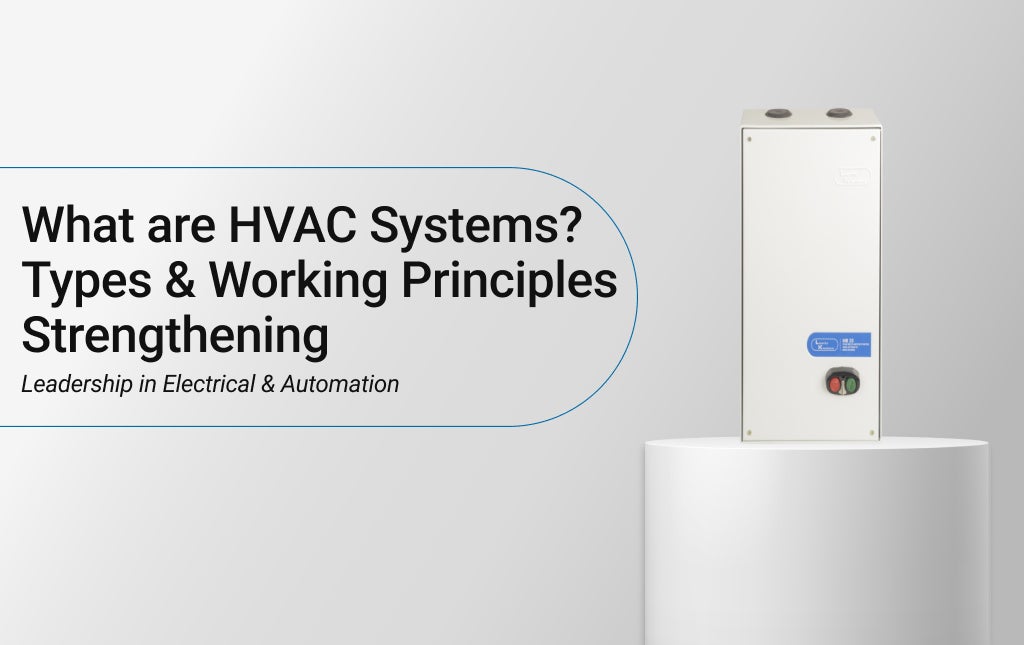
What are HVAC Systems? Types & Working Principles
Table of Contents
Indoor comfort is something people expect without really noticing it. You walk into a room and everything just feels okay- not hot, not cold. The air feels normal. But the moment something changes, you feel it instantly. This is usually when people stop and ask what is HVAC and why it suddenly matters so much.
HVAC systems stay hidden most of the time. They sit above ceilings, behind walls, or outside buildings, quietly adjusting things all day. Understanding what is HVAC full form helps explain why these systems aren’t just about cooling. They deal with heat, air movement, and air quality together. Homes, offices, hospitals, even shopping centres depend on this balance. When HVAC works properly, no one talks about it. When it doesn’t, everyone notices.
What is HVAC System?
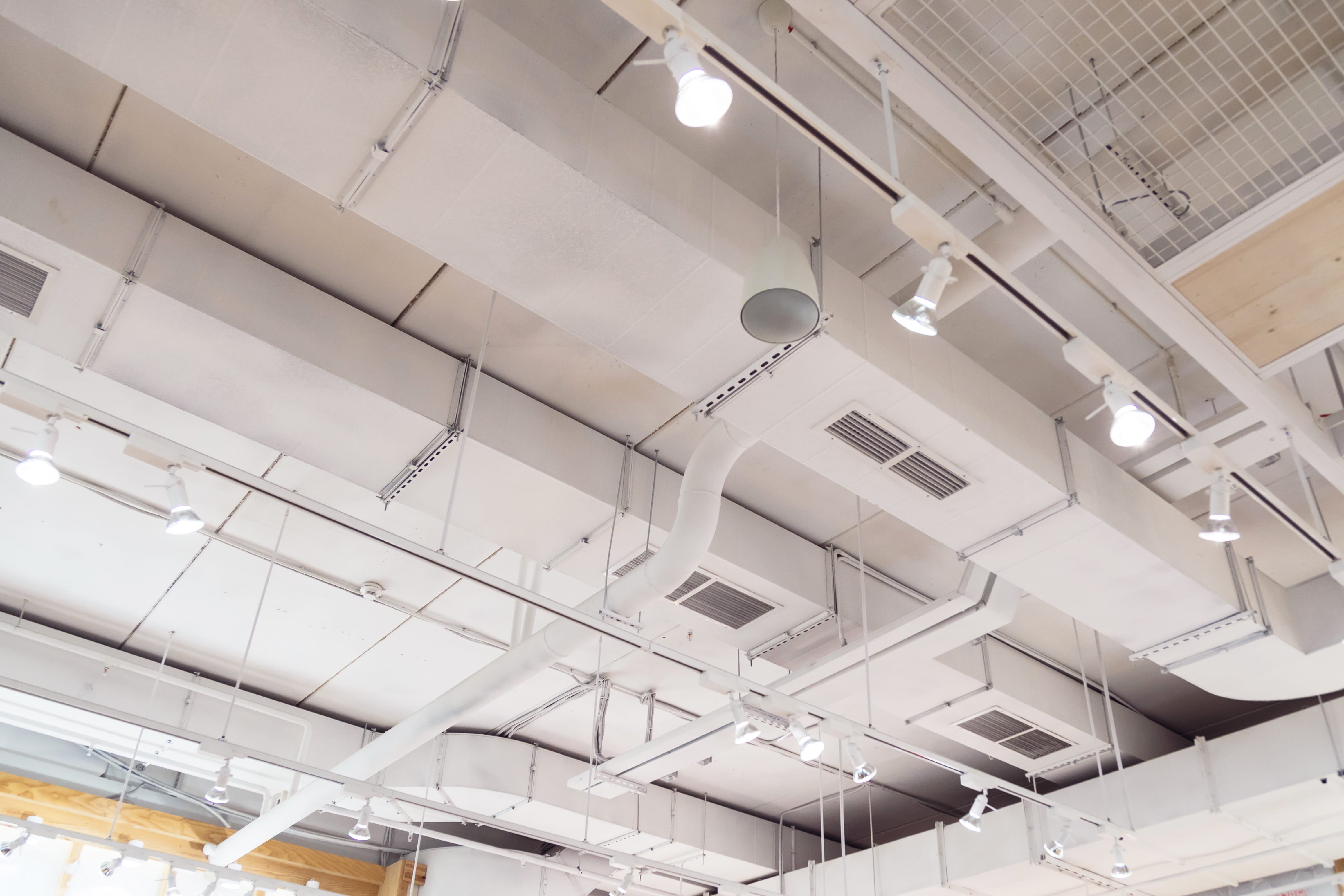
So, what is HVAC system actually doing in a building? It’s constantly responding to what’s happening inside.
When people casually ask what is HVAC, they usually think of air conditioners. But HVAC is more than that. Knowing what is HVAC full form- Heating, Ventilation, and Air Conditioning, makes the role clearer. Heating keeps indoor spaces usable during cold weather. Ventilation replaces old indoor air with fresh air. Air conditioning manages heat and humidity.
HVAC functions depend on each other. HVAC systems are designed based on climate, building size, and how the space is used. A small house and a large mall don’t need the same setup. Still, the goal stays simple: keep indoor conditions steady without people having to think about it.
HVAC System Working Principle
The HVAC system working principle is based on reaction. The system doesn’t guess. It responds. Sensors track temperature and air conditions, then adjustments happen. Cooling increases. Heating slows down. Airflow changes.
The HVAC system working principle sounds technical, but the idea is straightforward. Something changes indoors, the system reacts. No matter the size of the building, the same working principle applies, just on a different scale.
Heating Process
When indoor temperatures drop, heating starts. Heat is produced using furnaces, boilers, or heat pumps. That heat moves through air ducts or water pipes into rooms. The system doesn’t stay on continuously. It checks temperature, adjusts output, and slows when the space warms up. Good heating feels steady. You don’t really notice it turning on or off. The smooth control comes from proper system design.
Cooling Process
Cooling removes heat instead of creating cold air. Warm air is pulled in and passed over cooling coils. Heat is absorbed and sent outside the building. The cooled air is then circulated back indoors. This cycle repeats until temperatures balance out. If some areas feel colder than others, airflow is usually the reason. Well-designed cooling feels even and quiet.
Ventilation and Airflow
Air needs to move. Ventilation brings fresh air inside and pushes stale air out. Fans guide airflow so it doesn’t stay trapped in one place. Even with the correct temperature, poor airflow makes rooms feel uncomfortable. Ventilation also helps control humidity and indoor pollutants. It works quietly in the background but makes a big difference.
Filtration and Air Quality
Before air reaches people, it passes through filters. Dust and particles are trapped along the way. Clean filters protect both occupants and system equipment. Over time, clogged filters restrict airflow and reduce performance. Regular replacement keeps the system working as it should.
HVAC System Components
Every HVAC setup relies on multiple HVAC system components working together. Each part affects the next. When one component struggles, comfort drops. Understanding HVAC system components explains why maintenance matters so much. While layouts differ, most buildings rely on similar HVAC system components.
Thermostat
The thermostat senses indoor temperature and signals the system. Modern thermostats allow scheduling and remote control. Small adjustments can lead to noticeable energy savings over time. Accuracy matters more than people think.
Heating and Cooling Equipment
These units produce heating or cooling based on demand. Furnaces, chillers, and heat pumps must be sized correctly. Equipment that’s too large wastes energy. Equipment that’s too small works too hard. Regular servicing keeps performance steady.
Ductwork and Air Handlers
Ducts carry air throughout the building. Air handlers push that air along. Poor duct sealing leads to uneven temperatures and higher energy use. Good duct design quietly improves comfort.
AC Drive / VFD
An AC Drive VFD adjusts motor speed instead of running equipment at full output all the time. In HVAC systems, this allows fans and pumps to match actual demand. Using an AC Drive VFD reduces energy use and mechanical stress. Modern installations depend on AC Drive VFD technology for efficient control.
HVAC System Types
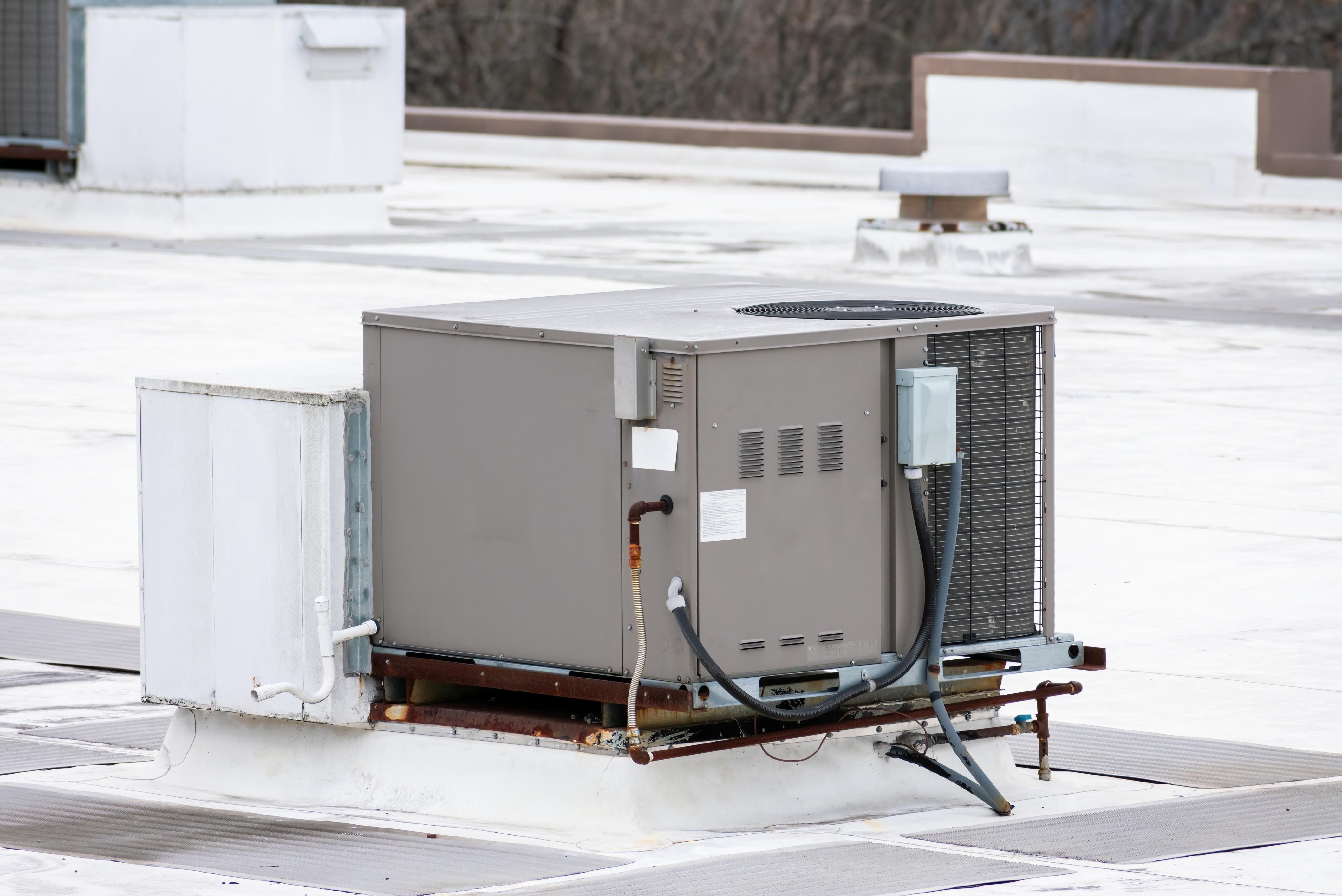
Not all buildings behave the same way, so using the same kind of system everywhere rarely works out. Some places are busy all day, others aren’t. Some heat up quickly, others don’t. That’s really why different HVAC system types exist. It’s less about technical choice and more about what actually feels right once people start using the space every day.
Split System
Split systems are the kind most people recognize, even if they don’t know the name. There’s an indoor unit, there’s an outdoor one, and together they handle a limited area. They are common in homes mostly because they don’t try to do too much at once. When something needs attention, it’s usually easy to figure out where the issue is.
Packaged System
Packaged systems take a different approach. Everything is put into a single unit and placed outside the building. That frees up indoor space, which matters more in commercial settings than people realize. These systems are often chosen because they are practical and predictable, not because they offer a lot of customization.
Centralized System
Centralized systems are built for scale. One main system handles multiple areas instead of treating each room separately. This keeps conditions fairly consistent across large buildings. The setup can be complex, but once it’s in place, it usually runs steadily, which is why it’s common in large facilities.
Hybrid System
Hybrid systems don’t rely on one method all the time. They switch based on outside conditions and energy efficiency. When temperatures change, the system adjusts on its own. That flexibility is the main appeal, especially in locations where weather doesn’t stay the same for long.
Also Read: VFD vs. Soft Starter: What is the Key Difference?
Conclusion
HVAC systems rarely draw attention when they work properly. They just keep indoor spaces comfortable and usable. This is exactly what they are supposed to do. To buy the best components of a HVAC system, explore the SmartShop of Lauritz Knudsen Electrical & Automation today. The SmartShop allows you to buy online at best prices without the stress of going to the market and searching for the right product.
FAQ's
Q1. How long does an HVAC system usually last?
Ans: There’s no fixed number of years for this. Most systems seem to run fine for about 10 to 20 years. Some last longer. On the other hand, some don’t. It really depends on usage, weather, and whether anyone actually keeps up with basic servicing.
Q2. Does an HVAC system consume a lot of electricity?
Ans: Yes, usually it does. In many buildings, it’s one of the biggest power users. Efficiency, insulation, and daily usage habits all change how much electricity it ends up consuming.
Q3. How often should an HVAC system be serviced?
Ans: Most people service it once or twice a year. Often before summer or winter. It’s mainly done to avoid problems later. Small issues are easier to deal with early than during peak usage.
Q4. Can an HVAC system improve indoor air quality?
Ans: It can help, but only if it’s maintained. HVAC systems control airflow and humidity and filter the air moving around. Clean filters usually make indoor air feel better, especially for people sensitive to dust.
Q5. AC Drive VFDIs HVAC installation possible in older buildings?
Ans: In many cases, yes. It’s usually not simple, though. Older buildings often need adjustments because of space, wiring, or ductwork. That’s why installations are normally customised after inspection.

Comments