

What is a Fuse Holder? Types, Applications & Their Importance

In electrical systems, a fuse holder, despite its size, plays an important role. A fuse holder is responsible for placing and protecting fuses, which are components that safeguard electrical systems from the effects of excessive current. A well-functioning fuse holder is essential for the fuse to operate well. It is imperative to learn about the varieties, applications, and usage of fuse holders to find the best fit for your use, and this article is all about that.
Table of Contents
What is a fuse holder?
A fuse holder is a component that houses an electrical fuse. Made of metal, a fuse holder generally includes two terminals for placing the fuse. A fuse prevents houses or office electrical systems from catching fire due to excessive current situations. As current travels along the circuit, electrons go from negative to positive terminal.
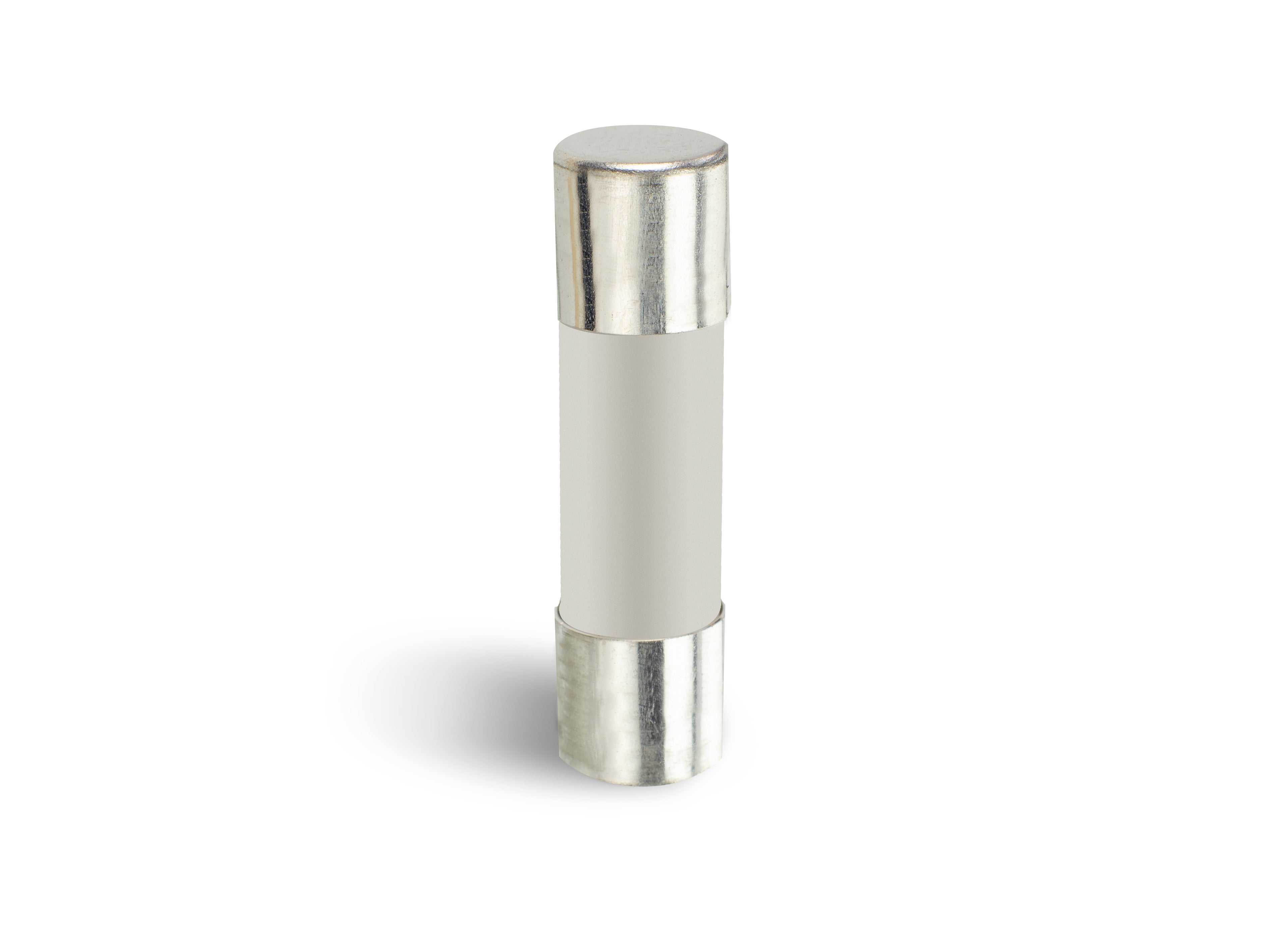
The various types of fuse holders
There are various types of fuse holders one can buy, offering numerous applications.
Bolted Fuse Holders
Bolted fuse holders are commonly used for heavy-duty electrical installations. These installations need strong mechanical connections. The fuse in this design is secured using bolts. They connect the fuse terminals directly to the circuit conductors. This arrangement ensures stable electrical contact. It also reduces the chances of loose connections. Bolted fuse holders are often installed in industrial power distribution systems.
Cylindrical or DIN Fuse Holders
Cylindrical or DIN fuse holders are designed to hold cylindrical cartridge fuses. These fuses are widely used in electrical panels. The holders are typically mounted on DIN rails. This makes installation simple and organized inside control cabinets. They provide reliable circuit protection. Also, they allow quick fuse replacement when required. This design is commonly used in industrial control systems and distribution boards.
DC Fuse Holder
DC fuse holders are specifically designed for circuits that operate with direct current. These holders must handle different arc characteristics. They are commonly used in battery systems, solar installations, and DC power distribution equipment. Proper DC fuse holders help isolate faults quickly. Also, they protect sensitive equipment from excessive current conditions.
AC Fuse Holder
AC fuse holders are designed for alternating current electrical circuits. They provide a secure location for the fuse. Also, they allow safe interruption of current if overload occurs. These holders are frequently used in electrical panels. They are also used in household circuits, and industrial distribution systems. Their design ensures stable electrical contact. It facilitates safe replacement of fuses during maintenance.
Inverter Fuse Holders
Inverter fuse holders are used in power conversion systems. These systems have inverters that convert DC electricity into AC power. The holders help protect inverter circuits from overload or short circuit conditions. They are commonly installed in solar power systems. Battery backup units and energy storage setups also use these holders.
Circuit Board Fuse Holder
A circuit board fuse holder is designed to mount directly onto printed circuit boards. These holders secure small fuses used to protect sensitive electronic components. Their compact design allows easy integration into electronic devices. These devices include power supplies, control boards, and communication equipment.
Car Fuse Holder
Car fuse holders are used in automotive electrical systems. They protect wiring and electrical accessories. These holders are typically installed inside the vehicle fuse box or along wiring harnesses. They secure the fuse. Also, they ensure reliable protection for circuits controlling lights, infotainment systems, sensors, and other vehicle electronics.
Type S Fuse Holder
Type S fuse holders are designed specifically for Type S fuses used in certain residential electrical systems. These holders prevent the installation of incorrect fuse sizes. This improves electrical safety. Type S fuse holders are commonly used in older electrical panels where controlled fuse replacement is important.
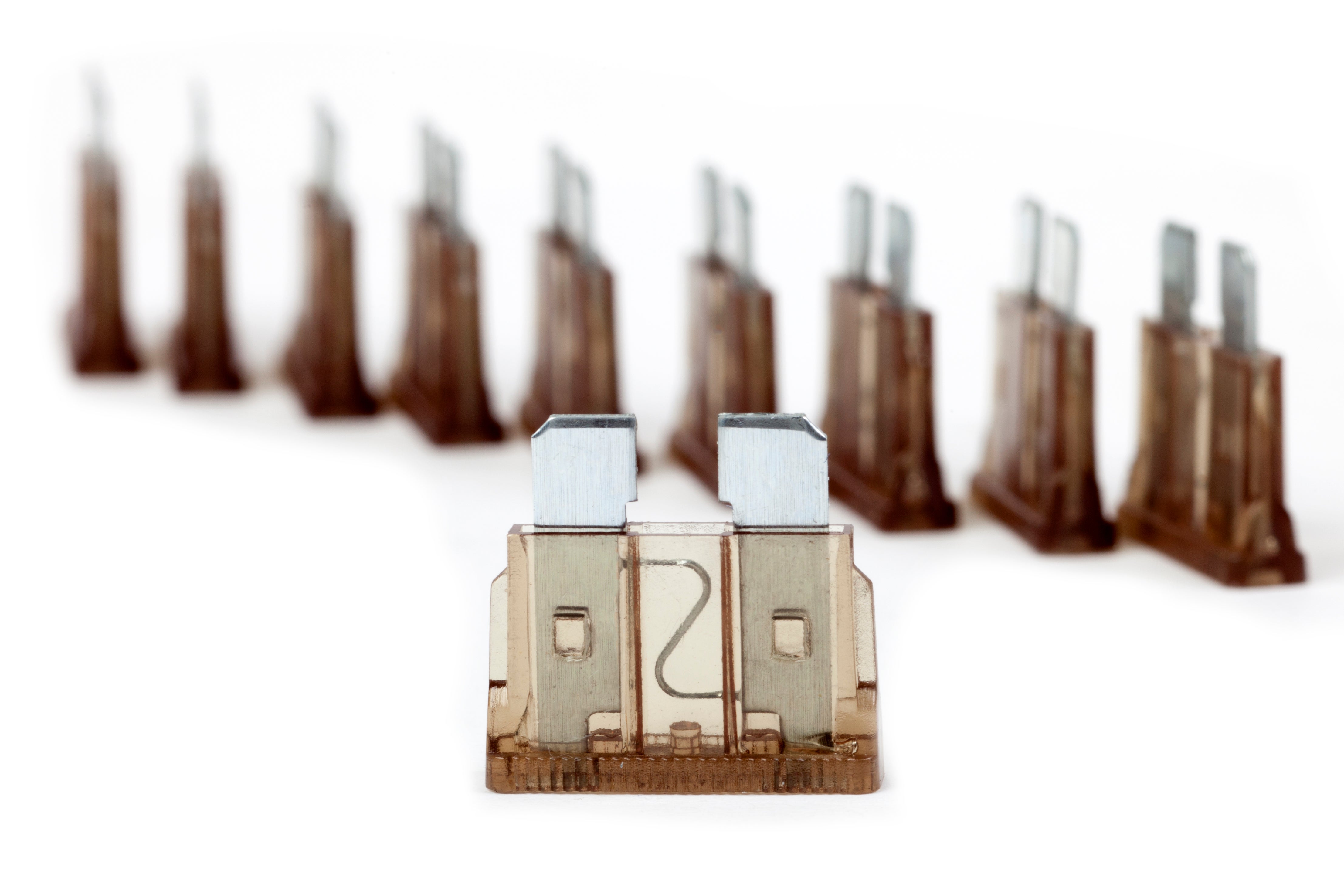
How does a fuse holder work?
A fuse holder is a small device designed to secure a fuse and connect it safely into an electrical circuit. It ensures the fuse can do its job protecting the circuit from overloads or short circuits while also making it easy to replace when it blows.
Electrical Connection Path
A fuse holder creates a stable electrical path between the power source and the protected circuit. The incoming current flows through the holder contacts. It passes through the fuse element. Electricity continues flowing normally through the circuit without interruption if the current remains within the safe range.
Secure Fuse Position
The holder keeps the fuse firmly in place during operation. This prevents movement or loose electrical contact. A properly installed holder ensures the fuse remains aligned with the terminals. This ensures that electrical energy moves through the fuse safely and efficiently.
Easy Fuse Replacement
One important function of a fuse holder is Easy fuse replacement. The holder allows the damaged fuse to be removed and replaced quickly when a fuse blows. This helps technicians restore circuit operation without rewiring or dismantling other parts of the electrical system.
Protection from External Damage
Fuse holders protect the fuse from dust, vibration, and accidental contact. The outer housing usually includes insulating materials. This covering shields the fuse and electrical contacts. The protection helps maintain reliable performance even in industrial environments.
Stable Electrical Contact
The metal contacts inside the fuse holder maintain pressure on the fuse terminals. This pressure ensures reliable electrical conduction. Good contact reduces resistance. It prevents overheating. This helps maintain safe operation of the circuit over long periods of use.
Features of Fuse Holders
Fuse holders support safe fuse installation. Also, they maintain reliable electrical contact. The holders make fuse replacement easier when a fault occurs. Different fuse holder types include design features. They help improve durability, safety, and compatibility across many electrical installations.
Secure Fuse Position
A fuse holder keeps the fuse positioned inside the circuit. This prevents movement that could interrupt electrical contact. A properly designed electrical fuse holder maintains stable contact pressure so that current flows smoothly through the fuse element during normal circuit operation.
Quick Fuse Replacement
One useful feature of fuse holders is simple fuse replacement. The holder allows the damaged fuse to be removed and replaced without disconnecting the wiring when a fuse fails. This design reduces maintenance time. It also helps restore electrical equipment to operation quickly.
Insulated Protective Housing
Fuse holders usually include a housing. This is made from insulating materials. It protects users from accidental contact with electrical conductors. The insulated body of the electrical fuse holder helps improve safety in electrical panels. It keeps the fuse terminals isolated from surrounding components.
Support for Different Fuse Ratings
Electrical circuits may require different fuse ratings. It depends on the load conditions. Certain holders are designed for standard cylindrical fuses. On the other hand, others are built for heavy-duty protection. For example, an HRC fuse holder is commonly used in circuits where high fault current protection is necessary.
Compact Holder Design
Some installations require protective components that occupy minimal space. A miniature fuse holder is designed for these situations. It provides reliable fuse protection. Also, it fits easily inside compact equipment such as electronic devices, automotive systems, and small control units.
The Importance of the Fuse Holder
A fuse holder may seem like a small component, but it plays a critical role in electrical safety, reliability, and maintenance. Without it, even the best fuse cannot function effectively.
Safe Fuse Installation
Fuse holders allow the fuse to be installed safely within the circuit. The holder keeps the fuse properly aligned with electrical terminals. This ensures that current flows through the fuse correctly. Also, it ensures that the fuse can interrupt the circuit safely if excessive current occurs.
Improved Electrical Safety
The insulating body of the fuse holder protects users from accidental contact with live electrical components. This design improves safety when working with electrical panels or equipment. It also reduces the chance of short circuits caused by exposed fuse terminals.
Organized Electrical Panels
Fuse holders help maintain organized electrical panels. They provide a dedicated mounting position for each fuse. This arrangement makes it easier to identify circuits. Also, it makes it easy to replace fuses when necessary. Organized panel layouts simplify troubleshooting and routine maintenance.
Reliable Circuit Protection
A properly installed fuse holder ensures that the fuse performs its protective function effectively. The holder keeps the fuse connected to the circuit so that it can interrupt current flow when overload conditions occur. This protection helps prevent damage to electrical equipment.
Simplified Maintenance
Maintenance becomes easier when fuse holders are used. Technicians can remove a blown fuse and install a replacement. This does not need changing the wiring. It saves time during repairs. Also, it allows equipment to return to normal operation more quickly.
Applications of Fuse Holders
Fuse holders are commonly used in electrical systems where a fuse must be installed securely and replaced without difficulty. They hold the fuse in position while maintaining proper electrical contact. The applications of fuse holders can be found in control panels, industrial machines, vehicles, and electronic equipment that require dependable circuit protection.
Electrical Distribution Panels
Electrical panels often include a fuse holder for electrical panel protection. The holder connects the fuse between the power supply and the circuit that needs protection. The fuse breaks the circuit when excessive current occurs. The holder keeps the fuse secure and accessible. This allows technicians to replace it quickly during routine maintenance.
Industrial Control Systems
Industrial machines contain several circuits. They require protection from overload conditions. An electrical fuse holder keeps the fuse firmly connected within the control circuit. An HRC fuse holder can safely handle larger electrical loads in applications with expected higher fault currents.
Automotive Electrical Systems
Vehicles use fuse holders to protect wiring and electrical components. These include lights, sensors, and accessories. A miniature fuse holder is often installed in automotive fuse boxes. This is because space inside vehicles is limited. These holders keep the fuse steady even when the vehicle experiences vibration or changing temperatures.
Renewable Energy Systems
Solar energy systems and battery installations also use fuse holders to protect circuits. Fuse holders help isolate equipment when abnormal current appears in these systems. Selecting suitable fuse holder types helps ensure safe operation of inverters, charge controllers, and energy storage systems.
Consumer Electronic Equipment
Many electronic products include fuse holders to protect internal circuits from electrical faults. A compact electrical fuse holder allows the fuse to be replaced easily if a failure occurs. These holders help protect components inside appliances. They do this while maintaining safe device operation.
What is the Working Principle of a Fuse Holder?
The working principle of a fuse holder is based on providing a secure path for electric current through a fuse, while ensuring safe interruption of the circuit when a fault occurs.
Current Flow Through the Fuse
Electrical current flows through the holder contacts and passes through the fuse element during normal operation. The fuse allows current within its rated capacity to pass through without interruption. It protects the circuit from excessive electrical load.
Overcurrent Detection
The fuse element heats up rapidly when electrical current exceeds the fuse rating. The fuse holder keeps the fuse securely connected so that this protective action occurs reliably. The fuse element melts and stops the current flow before equipment damage occurs.
Circuit Interruption
The electrical circuit becomes open when the fuse element melts. The fuse holder maintains the physical position of the fuse while the circuit remains disconnected. This interruption prevents further current from flowing into the protected equipment.
Isolation of the Fault
The holder keeps the fuse accessible so the faulty circuit can be inspected. Technicians can identify the cause of the overload before installing a replacement fuse. This helps ensure safe restoration of the electrical system.
Replacement and Restoration
A new fuse can be inserted into the holder after the fault is corrected. The holder reconnects the fuse to the circuit. This restores normal current flow. The simple replacement process allows electrical systems to resume operation quickly.
Fuse Holder Installation: Step-by-Step Guide
Correct installation of a fuse holder helps ensure reliable circuit protection. Proper wiring and secure connections prevent overheating and electrical faults. This is why you must understand how to connect fuse holder to wire correctly. It helps maintain safe operation. Also, it ensures the fuse interrupts the circuit when abnormal current appears.
Choose the Correct Holder
Select a holder suitable for the fuse rating and circuit design before starting with the installation. Industrial circuits may require an HRC fuse holder. On the other hand, small equipment may use a miniature fuse holder. Choose appropriate fuse holder types to ensure proper compatibility.
Disconnect the Power Supply
Electrical work should always begin with disconnecting the power source. The risk of electric shock and equipment damage increases when you work on a live circuit. Confirm that power is completely isolated. This allows you to work safely.
Connect the Holder to the Wires
During installation, The incoming supply wire connects to one terminal of the holder during installation. In contrast, the outgoing circuit wire connects to the other. You must understand how to connect fuse holder to wire properly. It ensures stable electrical contact and prevents overheating.
Insert the Fuse
Place the fuse inside the holder once wiring is complete. The fuse should fit firmly between the holder contacts so electrical current passes correctly through the fuse element. Proper placement allows the fuse to interrupt the circuit in case of excessive current flow.
Test the Circuit
Restore the power supply after installation. Now, observe the circuit operation. Confirm that the fuse holder maintains proper contact. Also, ensure that the circuit functions normally. Testing ensures that the fuse protection system operates correctly and safely.
Also Read: How Low Voltage Circuit Breakers Ensure Safety in Electrical Installations
Conclusion
A fuse can only be integrated into a circuit box by placing it in a fuse holder. Though it is an electrical accessory, the fuse holder is quite an important one. These have different types, sizes, and materials. A fuse holder’s core function is to protect the fuse. Lauritz Knudsen provides fuse holders like bolted and cylindrical or DIN. These fuse holders house bolted and cylindrical fuses, respectively. You can visit Lauritz Knudsen to buy fuse holders for housing purposes.
FAQ About Fuse Holder
Q1. What are fuse holders used for?
Ans: Fuse holders are used to place the fuse, which are essential devices in protection against electrical overload causing severe damage in buildings, houses, and offices.
Q2. What is a fuse link?
Ans: A fuse link is a low-voltage short wire that acts as a fuse in a car. This is caused inside a car fuse holder.
Q3. What is the purpose of a fuse holder?
Ans: A fuse holder secures the fuse within an electrical circuit. It maintains proper electrical contact. The fuse interrupts the circuit to prevent damage when excessive current flows. An electrical fuse holder also makes fuse replacement easier during maintenance.
Q4. How do I choose the right fuse holder?
Ans: Choose the correct holder based on:
• Fuse rating
• Circuit design
• Installation location
Different fuse holder types are available for different applications. High-current systems may require an HRC fuse holder. On the other hand, smaller circuits may use a miniature fuse holder.
Q5. What is an inline fuse holder?
Ans: An inline fuse holder is installed directly within the electrical wiring rather than inside a panel. This type of electrical fuse holder is commonly used in automotive wiring. It is also used in small appliances and electronic equipment. Such equipment need the fuse to be placed along the wire.
Q6. What causes fuse holders overheating?
Ans: Fuse holder overheating usually occurs due to:
• Loose connections
• Incorrect fuse rating
• Excessive current flow
Poor electrical contact increases resistance and produces heat. Usage of the correct fuse holder for electrical panel installations helps reduce this risk.
Q7. Can I replace a fuse holder?
Ans: A damaged fuse holder can be replaced. Disconnect the electrical supply completely before replacement. Install a compatible electrical fuse holder after removing the faulty holder. Also, reconnect the wiring securely to restore circuit protection.
Q8. How do I test a fuse holder?
Ans: Testing a fuse holder involves checking electrical continuity with a multimeter. The contacts may be damaged or loose if the meter does not detect continuity. This test helps confirm whether the fuse holder is functioning correctly.
Q9. Do fuse holders affect circuit performance?
Ans: Fuse holders normally do not affect circuit performance when installed correctly. Their purpose is to hold the fuse securely. Also, they maintain electrical contact. However, poor-quality holders or loose connections may create resistance and generate heat.
Q10. How often should fuse holders be inspected?
Ans: Fuse holders should be inspected during regular electrical maintenance. Check the holder thoroughly. It helps identify loose contacts, overheating, or damage. Routine inspection ensures the fuse holder continues to provide reliable circuit protection.