
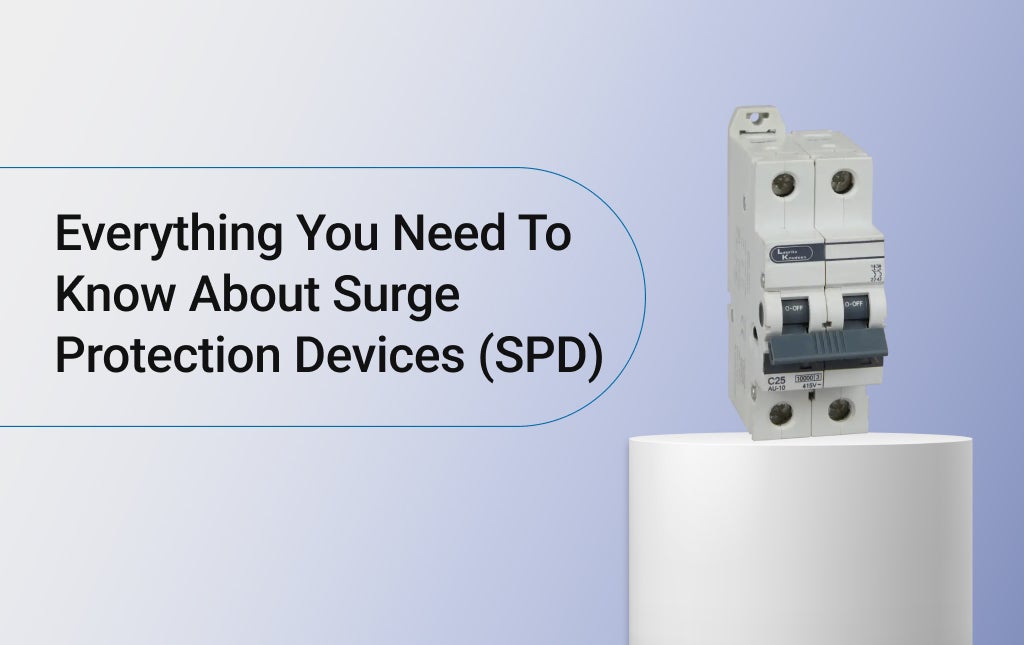
Everything You Need To Know About Surge Protection Devices (SPD)
Information technology is now an important part of our everyday lives. Hence, protecting it is crucial. Overcurrent protection devices like SPDs are very important in preventing damage to electrical appliances or systems due to power surges. This blog will explain the basic concepts of surge protection devices, their operation principles, types, applications and basic rules for selection and connection.
Table of Contents
• What is a Surge Protection Device?
• Surge Protection Device Working Principle
• Surge Protection Device Types
• Power Surge Protection Device: Why Does It Matter?
• Importance of Surge Protection Device for Home
• How Does Surge Protection Device Work
• Use of Surge Protection Device
• Benefits of Surge Protection Devices
• How to Connect Surge Protection Devices?
What is a Surge Protection Device?
A surge protection device (SPD) is a protective device that offers a safeguard against fluctuations in electrical voltage, otherwise known as an electric spike. These surges can occur due to lightning, switching or an abrupt change in the supply voltage of the power system.
Surge Protection Device Working Principle
A surge protection device is an equipment designed to protect any equipment that requires precise voltage stabilization from voltage surges. The functioning of surge protective devices depends on their ability to safely remove any voltage that exceeds the working limit from the relevant circuits. In the event of an exceptional voltage, the SPD determines the irregularity and diverts the power surge to the ground. Devices such as MOVs or GDTs help to effectively interact with energy in the form of voltage and carry out the task of clamping and suppressing it. This ensures that only the necessary voltage is passed through the system.
Surge Protection Device Types
SPDs come in various types to cater to different protection needs.
Type 1 SPD
Type 1 SPD is generally installed at the main incoming supply. Its job is to handle large surges, especially those caused by lightning entering through overhead lines. In industrial environments, this spd surge protection device forms the first protective barrier. It absorbs high discharge currents before they travel deeper into the electrical system.
Type 2 SPD
Most buildings use Type 2 SPD inside the distribution board. It protects short circuits from switching surges and indirect lightning effects. Instead of handling massive spikes, it controls moderate voltage disturbances. These electrical surge protection devices help stabilize supply and prevent gradual damage to internal wiring and connected appliances.
Type 3 SPD
Type 3 SPD is placed close to sensitive equipment. It works as a final protection stage, controlling small residual surges that pass through earlier devices. Computers, televisions, and control panels benefit from this extra layer. Its purpose is precision protection rather than handling large incoming surges.
Power Surge Protection Device: Why Does It Matter?
Most people don’t think about voltage spikes until something stops working. A power surge protection device exists to prevent that moment. It doesn’t make noise or draw attention, but it reacts instantly when voltage rises unexpectedly. Without it, small surges slowly weaken appliances and electrical systems over time.
Small Surges Add Up Over Time
Not every surge is dramatic. Many are brief and barely noticeable. Still, repeated exposure affects internal components. Circuit boards and processors don’t tolerate instability well. By limiting excess voltage early, a surge protection device reduces that hidden wear and keeps equipment running more reliably.
Everyday Grid Fluctuations Are Common
Lightning is only part of the problem. Power returning after outages or large equipment switching on can create voltage shifts. An spd surge protection device absorbs those spikes before they spread through wiring, helping prevent unnecessary strain on connected systems.
Repairs Often Cost More Than Prevention
When electronics fail, the replacement expense usually feels sudden. Yet unstable voltage is frequently the underlying cause. Electrical surge protection devices address that issue directly by controlling irregular power before damage occurs, which helps avoid unexpected repair bills.
Stable Power Means Fewer Interruptions
Equipment performs better when voltage remains consistent. Spikes interrupt that balance. Installing surge protection helps maintain smoother electrical conditions and reduces sudden operational issues.
Importance of Surge Protection Device for Home
Power issues at home don’t always come with warning. A sudden spike can quietly damage appliances without showing visible signs immediately. Installing an spd surge protection device adds a protective barrier at the distribution board. It helps safeguard electronics, reduces long-term repair costs, and protects wiring from voltage instability.
Protection of Home Appliances
Most household devices today contain sensitive circuit boards. Even minor surges weaken them gradually. Electrical surge protection devices work by limiting excess voltage before it reaches appliances. That small action prevents overheating inside components. Over time, this reduces breakdown frequency and helps appliances perform reliably without unexpected failure.
Safety Against Electrical Fire Risks
Voltage spikes don’t just damage electronics; they also stress internal wiring. Continuous stress may weaken insulation and increase heat buildup. Installing proper surge protection lowers this risk significantly. By controlling abnormal voltage instantly, the system prevents overheating and supports safer electrical performance throughout the home.
Cost Control Over Time
Replacing televisions, refrigerators, or routers repeatedly becomes expensive. An SPD surge protection device reduces these hidden expenses. Instead of repairing burnt circuit boards, homeowners invest once in protection. Over several years, the savings often exceed the installation cost. It’s a preventive approach rather than a reactive one.
Protection During Lightning Activity
Lightning does not need to strike directly to cause damage. Nearby strikes can send strong surges through supply lines. A properly rated surge protection device absorbs and diverts that excess energy. While no system is absolute, protection significantly lowers the risk of appliance failure during storms.
Working Principle
Surge protection device working is based on quick response to abnormal voltage. Under normal conditions, it stays inactive. When voltage exceeds safe limits, internal components react instantly and redirect excess energy to ground. This process prevents high voltage from reaching connected equipment and keeps the electrical system stable.
How SPD Works Internally
Many people ask how spd works inside the panel. The device contains components that remain passive until voltage crosses a defined threshold. Once that happens, resistance changes rapidly, and excess energy is diverted safely. When voltage returns to normal, the system resets automatically and continues monitoring without interrupting supply.
Surge Detection Process
The SPD continuously monitors incoming voltage levels. It does not interfere with regular current flow. Only when voltage exceeds its set limit does it activate. This selective response ensures smooth operation while remaining ready for sudden surges. Fast reaction time is critical for effective protection.
Voltage Clamping Mechanism
Clamping is the core of surge protection device working. When a spike occurs, the device restricts voltage to a safe level by redirecting surplus energy. This happens within microseconds. Because the response is so quick, connected electronics remain protected from sudden electrical stress or internal damage.
Automatic Reset Function
After absorbing or diverting a surge, the device returns to standby mode. There is no need for manual resetting in most modern designs. It remains ready for the next voltage disturbance. This automatic recovery ensures continuous protection without ongoing maintenance adjustments.
How Does Surge Protection Device Work
Think of a surge protection device as a silent guard inside the electrical panel. It doesn’t constantly interfere with the supply. It simply waits. When voltage suddenly jumps beyond a safe level, it reacts fast and redirects that excess energy, helping protect wiring and connected appliances from internal damage.
It Stays Alert All the Time
The device is always connected, but it doesn’t interrupt normal electricity flow. It continuously “watches” the voltage level moving through the system. Most of the time, nothing unusual happens. But the moment voltage crosses a safe limit, the surge protection device responds automatically. No switches, no manual effort- it simply reacts when required.
It Reacts Faster Than You Can Notice
Voltage spikes happen extremely quickly. You won’t see them, and you probably won’t hear them. Lightning activity, grid switching, or heavy equipment turning on can trigger them. The SPD detects this sudden change in microseconds. The speed is important because even brief exposure to high voltage can damage electronic components.
It Redirects the Extra Energy Safely
Instead of blocking power completely, the device creates an alternate path. When voltage rises too high, it channels the extra energy toward the grounding system. This keeps the majority of connected equipment protected. Proper earthing is essential here, because the surge needs somewhere safe to dissipate without harming circuits.
It Goes Back to Waiting Mode
Once the voltage returns to normal levels, the device stops diverting energy and resets itself. There’s no reset button to press. It simply resumes monitoring the supply line. This cycle- monitor, react, reset- happens automatically and repeatedly whenever needed.
Use of Surge Protection Device
Surge protection devices are essential in a variety of applications:
Residential
In homes, voltage spikes often go unnoticed until appliances fail. A surge protection device reduces that hidden risk. By limiting excess voltage before it spreads through internal circuits, it protects refrigerators, air conditioners, and electronic devices. Over time, consistent protection helps reduce repair costs and improves overall electrical reliability.
Commercial
Offices and retail spaces depend on stable power for daily operations. Electrical surge protection devices help prevent interruptions caused by sudden voltage changes. When billing systems, computers, or networking equipment shut down unexpectedly, productivity suffers. Proper surge protection minimizes those risks and supports consistent business performance.
Industrial
Manufacturing units rely on motors, drives, and automated systems that react poorly to unstable voltage. Installing an spd surge protection device reduces mechanical stress caused by transient spikes. Stable voltage means fewer unexpected shutdowns and less equipment wear. That consistency directly supports operational efficiency.
Renewable Energy Systems
Solar installations face exposure from both grid instability and lightning activity. Surge protection helps prevent inverter failure and controller damage. During surge protection device connection, correct grounding is critical for safe energy diversion. Reliable protection ensures renewable systems operate consistently across varying environmental conditions.
Benefits of Surge Protection Devices
SPDs work quietly in the background. You rarely notice them and that’s exactly the point. By managing abnormal voltage, they reduce stress on internal wiring and connected equipment. Electrical surge protection devices add an extra layer of safety while helping maintain steady system performance.
Extends Appliance Life
Repeated voltage irregularities shorten equipment lifespan. Even minor spikes affect sensitive electronics. SPDs clamp excess energy before it reaches internal components, reducing gradual deterioration and helping appliances last longer without performance issues.
Reduces Overheating Risks
Voltage spikes can generate internal heat within devices and cables. Over time, that heat weakens insulation and electrical parts. SPDs react quickly to control abnormal voltage, lowering the chance of overheating and improving overall safety conditions.
Minimizes Operational Disruptions
In workplaces, even short shutdowns can cause delays. Electrical surge protection devices help reduce unexpected interruptions by stabilizing incoming voltage. Fewer failures translate into smoother daily operations.
Protects Sensitive Systems
Modern electronics rely on stable power to function correctly. Microprocessors and control boards are especially vulnerable to voltage changes. SPDs respond immediately when spikes occur, limiting the energy that reaches these sensitive systems and improving reliability.
How to Connect Surge Protection Devices?
Installation is one of the essential factors that determine the efficiency of an SPD. Here's a step-by-step guide on how to connect a surge protection device:
• Identify the Installation Point: Normally, SPDs are connected to the circuit ahead of the main electrical panel or distribution box.
• Switch Off the Power: Make sure that the power supply is switched off fully before continuing with the connection.
• Connect to the Circuit: Connect the SPD to the circuit the device is supposed to protect. In the case of single-phase surge protectors, arrange the live phase (L), the neutral (N) and earth (E) wires in a manner recommended by the manufacturer.
• Secure Grounding: Grounding is an important factor in ensuring that the SPD works as it should.
• Test the Installation: After connection, always check on the working of the SPD to confirm it is okay.
How to Install Surge Protection Device
Understanding how to install surge protection device systems properly is important for effective performance. Installation usually takes place inside the main distribution panel. Proper earthing is essential for safe diversion of excess energy. For safety reasons, professional supervision is recommended during installation.
Selecting the Right Installation Point
The device should be placed near the main breaker or incoming supply line. This allows it to intercept voltage spikes before they travel through internal circuits. Correct placement improves overall protection efficiency and ensures coverage for all connected loads within the system.
Ensuring Proper Grounding
Grounding is critical. Without a reliable earth connection, surge diversion cannot happen effectively. The grounding path must be short and secure to allow safe discharge of excess energy. Poor grounding reduces performance and may leave equipment vulnerable.
Surge Protection Device Connection
During surge protection device connection, wiring must follow manufacturer guidelines carefully. Incorrect terminal connections may reduce efficiency or cause malfunction. Cable sizing and tight fastening are equally important. Precision during this stage ensures long-term reliability and safe operation.
Testing and Inspection
After installation, it’s important to verify functionality. If unsure how to check surge protection device status, observe indicator lights or consult the manual. Routine inspection ensures the unit remains active and capable of responding to future voltage spikes.
Also Read: What is Surge Protector & How Does it Work?
Conclusion
SPD is an essential component of the existing electrical networks. It can provide reliable protection against overvoltages. This guide covered all the information you need about these devices, ranging from identifying what a surge protection device is to grasping approaches to connecting a surge protection device. So, use it to help you choose the right device for your application and keep your appliances safe.
If you need good quality SPDs, Smartshop by Lauritz Knudsen Electrical and Automation high-quality and reliable SPDs that provide proper protection for electrical lines. Select the right surge protection device to buy today so that your devices won't be worthless or compromised in their functionality.
FAQ About Surge Protection Devices
Q1. How does an SPD protect my electrical appliances?
Ans. Most people never see a surge happen as it’s quick. An SPD simply steps in when voltage rises beyond what appliances can handle. It redirects the excess safely away instead of letting that spike travel through wiring. The small intervention can prevent circuit damage inside everyday electronics.
Q2. Which surge protection device is suitable for industrial or commercial use?
Ans. Larger buildings deal with heavier electrical loads. Hence, standard plug-in protection isn’t enough. Industrial or commercial setups usually rely on higher-capacity devices installed at distribution panels. The exact type depends on system size, exposure to lightning, and how the internal wiring is structured.
Q3. How long does a surge protection device last?
Ans. There isn’t a simple timeline. A surge protection device gradually wears down each time it absorbs excess voltage. It may last years in stable environments. However, replacement might be needed sooner in areas with frequent storms or unstable supply. Periodic checks help determine its condition.
Q4. Which devices need surge protection?
Ans. Any device with electronic components can be affected by voltage spikes. This includes computers, televisions, routers, control systems, and even modern refrigerators. Sensitive internal circuits respond poorly to sudden voltage changes, which is why system-level protection is often recommended.
Q5. What is the difference between a surge protector and a surge protection device?
Ans. A surge protector often refers to a small power strip used for individual equipment. A surge protection device is installed at the electrical panel to protect entire circuits. One safeguards a few appliances. The other provides broader coverage across the system.
Q6. What happens if I don’t install a surge protection device?
Ans. Voltage spikes move freely through the wiring without protection. Damage may not be immediate, but over time internal components weaken. Eventually something fails. The cause may not be obvious, but repeated exposure to unstable voltage often shortens equipment lifespan.
Q7. Is surge protection required by electrical standards or codes?
Ans. Newer building codes recommend or require surge protection, particularly in commercial projects. Requirements vary, so local regulations matter. Even where optional, many installers advise adding protection as a precaution against unpredictable electrical disturbances.
Comments