
What are Bypass Switches? How do they work?
Bypass switches are important components of various technical systems designed to ensure uninterrupted operation and reliability. These switches offer another route to carry power or data, on occasions when continuity is imperative. Bypass switches are used in uninterruptible power supply systems, data centres, and numerous industrial applications to separate smooth transitions for things like maintenance, repairs, or random outages of power sources. Only by knowing how bypass switches work—whether they can help redirect power flow effectively or what contributions they make toward making whole systems more robust and efficient—you can take different measures for any particular application.
What is a Bypass Switch?
A bypass switch is an external software controller designed to provide a hardware access port for a live active network security device, such as an intrusion prevention system (IPS) or next-generation firewall (NGFW). In-line security appliances pose a weakness in live computer networks because a power failure, software crash, or a decision to update them can disturb the flow of traffic through the essential connection. The bypass switch overcomes this vulnerability by automatically putting the traffic in bypass mode whenever necessary to keep the crucial network link up.
How Bypass Switch works?
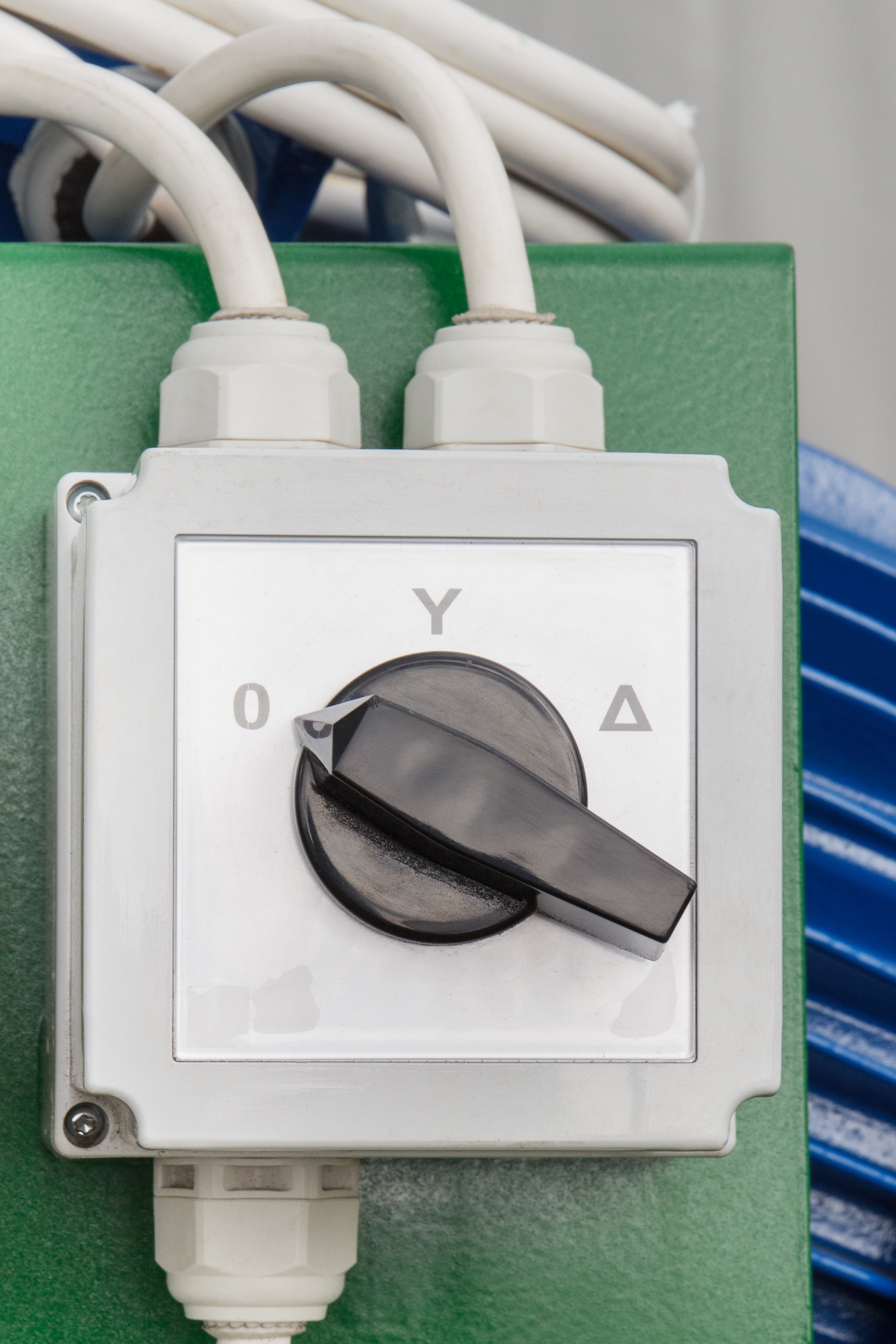
A bypass switch allows electrical power to continue flowing even when a primary device requires maintenance or experiences a fault. The switch redirects the current through an alternate path instead of stopping the power supply completely. This ensures the connected equipment continues operating safely.
Normal Power Flow
Electrical power flows through the primary device such as a UPS or control system under normal operating conditions. The bypass switch remains inactive during this stage. Electricity follows the main circuit path. It supplies power to the connected load without interruption or switching activity.
Load Transfer During Faults
The bypass mechanism activates when the main system develops a fault or fails to operate correctly. The switch redirects electrical current through an alternate circuit path. This ensures that the load continues receiving electricity while the primary system is isolated for troubleshooting or repair.
Operation of Static Bypass Switch
A static bypass switch performs load transfer electronically rather than mechanically. Semiconductor components detect abnormal conditions. The connected equipment experiences little or no interruption in power supply as switching occurs quickly.
Manual Switching Process
A manual bypass switch allows technicians to redirect the electrical load manually. The operator activates the switch to bypass the main equipment during maintenance work. This controlled process allows safe servicing without disconnecting power from the load.
Automatic Switching Response
An automatic bypass switch transfers power automatically when the system detects abnormal voltage or internal failure. Sensors monitor the electrical system continuously and trigger the switching action immediately. This automatic response helps maintain uninterrupted power supply in critical installations.
Types of Bypass Switches
Bypass switches are used to maintain continuity of power or signal when equipment (like UPS, control systems, or machines) needs maintenance or fails. They allow you to “bypass” the main system safely.
Here are the main types of bypass switches:
Maintenance Bypass Switch (MBS)
A Maintenance Bypass Switch (MBS) is a manually operated switch used to isolate equipment (like a UPS) for servicing or repair while still supplying power directly to the load.
• Ensures zero interruption during maintenance
• Typically manual operation
• Allows safe removal or repair of UPS without shutdown
Static Bypass Switch
A Static Bypass Switch uses solid-state devices (SCRs or thyristors) to automatically transfer the load to a bypass source during faults or overload conditions.
• Fully automatic operation
• Extremely fast switching (milliseconds)
• Protects system during UPS failure or overload
• Used in high-reliability environments
Automatic Bypass Switch
An Automatic Bypass Switch transfers the load from the main system to an alternate source without manual intervention when a fault is detected.
• Operates based on control logic or sensors
• Provides continuous power supply
• Slightly slower than static bypass but reliable
• Common in generator systems and industrial setups
Uses of Bypass Switches
Bypass switches are widely used in electrical installations. They help maintain system operation during maintenance or equipment failure. In many industrial and commercial facilities, an electrical bypass switch ensures that power can continue flowing through alternative pathways when required.
UPS Power Systems
Bypass switches are commonly installed in UPS systems. They allow the UPS unit to be isolated for maintenance while electricity continues flowing to connected equipment. This feature is especially important in data centers and communication facilities that require constant power.
Generator Backup Systems
A bypass switch for generator installations helps redirect electrical load between the generator and the main supply. This allows maintenance or testing of the generator without interrupting power supply to the connected equipment.
Industrial Electrical Panels
Industrial control panels often include bypass switches to manage power distribution. These switches help technicians isolate equipment during maintenance while allowing other parts of the electrical system to continue operating normally.
Testing and Troubleshooting Electrical Circuits
During maintenance or troubleshooting, technicians sometimes need to understand how to bypass limit switch connections temporarily to diagnose equipment faults. In controlled testing environments, bypass techniques allow engineers to verify circuit performance without removing the entire system from operation. However, this procedure should always be performed by qualified professionals following electrical safety guidelines.
Electrical System Flexibility
Bypass switches provide flexibility in managing electrical systems. Engineers can redirect power flow when upgrading equipment or adjusting system configuration. This capability allows facilities to maintain stable operations while making necessary changes to electrical infrastructure.
Why Bypass Switches Are Important
Bypass switches play a key role in electrical systems with uninterrupted power supply needs. They allow electrical loads to remain energized during servicing or repairing of equipment. Devices such as a static bypass switch helps maintain operational continuity. They are used in industrial facilities, power systems, and data centers.
Continuous Power Supply
A bypass switch keeps power flowing even when part of the system requires maintenance. The switch redirects electricity through an alternate path when equipment is taken offline. This prevents sudden shutdowns. Also, it keeps critical equipment running without interruption.
Simplifies Equipment Maintenance
Electrical systems often need servicing or component replacement. Technicians can isolate specific equipment while the rest of the system continues to operate with a bypass switch. This arrangement reduces downtime. It also allows safe maintenance work.
Protects Sensitive Equipment
Many installations contain devices that cannot tolerate sudden power loss. A static bypass switch helps protect such equipment. It provides an alternative power path when faults occur. This quick switching capability helps prevent damage to sensitive electrical devices.
Improves System Reliability
Electrical systems become more dependable when bypass switches are included in the design. The switch can redirect current through another route when fault occurs in one section. This improves overall reliability. It also helps prevent major interruptions in power supply.
Flexible Power Management
Bypass switches provide flexibility in system operation. Engineers can redirect electrical power when upgrading equipment or performing scheduled maintenance. This flexibility makes system management easier. It also allows facilities to maintain stable operations.
Installation and Maintenance of Bypass Switches
Correct installation and periodic maintenance are necessary for the reliable operation of an electrical bypass switch. These switches are usually installed in power systems. Such systems need continuous electricity. Careful wiring, routine inspection, and timely servicing help maintain stable switching performance. Also, they reduce the chances of power interruptions.
Proper Wiring and Electrical Connections
The installation process begins with accurate wiring. Each terminal must be connected following the electrical diagram provided by the manufacturer. A poorly connected electrical bypass switch can create overheating. It may also lead to unstable current flow. Electricians normally verify connections and insulation before powering the system. This helps ensure the circuit operates safely.
Safe Mounting Location
Bypass switches should be mounted inside a secure electrical panel or enclosure. The installation area should remain dry and well ventilated. Dust, humidity, or excessive heat may affect switch performance. Proper mounting helps ensure stable electrical operation and protects internal components when installing a bypass switch for generator or UPS system.
Routine Inspection
Regular inspection helps detect potential problems early. Technicians usually check terminals, insulation condition, and mechanical movement of the switch. Testing the switching operation ensures that power can be transferred correctly when required. Scheduled inspection improves the reliability of bypass switches used in critical electrical systems.
Preventive Maintenance
Preventive maintenance keeps the switch working efficiently over time. Electrical contacts may require cleaning. Also, wiring connections should be tightened periodically. These simple checks reduce the risk of electrical faults. Maintenance is especially important in systems that operate continuously or handle high electrical loads.
Professional Servicing
Bypass switches form part of an important electrical protection system. This is why servicing should be handled by trained electricians or maintenance professionals. Skilled technicians understand system requirements and safety procedures. Proper servicing ensures the switch continues operating reliably during maintenance work or equipment faults.
Advantages and Disadvantages of Bypass Switch
While bypass switches have several advantages it also has a few disadvantages. In this section, we will highlight both the advantages and disadvantages of bypass switch:
Advantages of Bypass Switch
• Continuity to Network Traffic: An external bypass switch can be connected with NGFW, IPS or DDoS, which will chain the in-line appliances together and hence there will be a couple of advantages. In the case that functionality tumbles into one inline equipment, it will not affect network traffic and hence the appliance can be serviced or removed without stopping the network traffic.
• Maintenance Flexibility: In the event of an IPS requiring upgrading, maintaining, or troubleshooting, an external bypass switch allows these with no instigation of any interruption in network traffic. Further, moving in-line hardware from one to another segment can be effected without affecting network operations.
• Internal Bypass-Switch Systems Not Providing Functionality: Examples, where NGFW/IPS appliances that employ internal bypass-switch functionality do not provide functionalities, include the ability to take down an IPS system for updates nor reposition in-line hardware between network segments without affecting traffic.
Disadvantages of Bypass Switch
• Versatility: Various bypass TAPs providing aggregation, regeneration (SPAN), breakout (standard) and others in various configurations will have different configurations at the life of the network.
• Increased Cost: Even though bypass switches and TAPs can significantly increase the uptime of the network for lower costs in the long run it also increases the general cost of the monitoring system.
• Single Point of Failure: Bypass switches convert a single point of failure from the bypass switch of in-line monitoring equipment. As a more specialised device that is designed for fault tolerance, it brings up dependency.
How to Choose the Right Bypass Switch
Choice of the correct bypass switch requires understanding the electrical system in which it will operate. Load capacity, switching method, and installation environment must all be considered. Selection of the right manual bypass switch or automatic bypass switch ensures reliable switching and long-term system performance.
Identify System Requirements
Engineers evaluate the electrical system specifications before choosing a bypass switch. Voltage ratings, load capacity, and system configuration must be considered. A thorough understanding of these parameters helps determine the correct switch design for the installation.
Choose the Correct Switching Method
Some installations require manual operation. On the other hand, others require automatic response. A manual bypass switch is operated by a technician. In contrast, an automatic bypass switch transfers the load automatically when a fault occurs. The choice depends on system requirements.
Consider Load Handling Capacity
The selected switch must support the electrical load connected to the system. The switch may overheat or fail if the capacity is too low. Engineers typically choose a switch that can comfortably handle the expected load.
Check Safety and Protection Features
Reliable bypass switches include insulation protection, strong electrical contacts, and secure mounting designs. These features reduce electrical hazards. They improve overall safety during operation and maintenance activities.
Ensure Equipment Compatibility
The bypass switch must work properly with the equipment installed in the electrical system. Compatibility with UPS systems, generators, and control panels ensures stable performance and safe power transfer.
Also Read: What is a Changeover Switch and Its Function?
Conclusion
Bypass switches are available in various amperages and with different options to cater to different electrical requirements. And to have hassle-free shopping for the best bypass switches, check out Lauritz Knudsen. We have a CZ SD & Bypass Switch Auxiliary Contact Kit which has 1 C/O contact. Furthermore, the 4P configuration, as well as 440 Vac rating CZ2 Bypass models, are available in a variety of amperages from 630A, 400A to 315A. These switches divert power without a hitch when something needs cleaning or happens to break down. But these are not all, we have more in store for you to easily navigate through and have a satisfying shopping experience.
FAQ About Bypass Switch
Q1. What are static bypass switches, and where are they used?
Ans. Static bypass switches refer to the electrical devices that allow the transfer of a load between a primary power source and an alternate source. They allow this transfer without interrupting the power supply. They are commonly used in Uninterruptible Power Supply (UPS) systems to ensure continuous power delivery during maintenance or faults in the primary source. These switches provide seamless transition to help maintain critical operations in data centres, hospitals, and other sensitive environments.
Q2. Are bypass switches manual or automatic?
Ans. Bypass switches can be either manual or automatic. Manual bypass switches require human intervention to transfer the load between power sources. These are usually used during planned maintenance. On the other hand, automatic bypass switches detect issues with the primary power source and automatically switch to the backup source without human intervention.
Q3. What are the common challenges associated with bypass switches?
Ans. Common challenges associated with bypass switches include improper installation. This can lead to electrical faults, and the risk of accidental activation, causing unexpected power interruptions. In automatic systems, a malfunctioning switch can fail to transfer the load correctly, leading to downtime. Additionally, bypass switches require regular maintenance and testing to ensure reliability, and they must be appropriately rated to handle the electrical load without overheating or causing circuit damage.
Q4. How do manual bypass switches differ from automatic bypass switches?
Ans. Manual bypass switches require human intervention to operate. They are typically used for planned maintenance or troubleshooting, allowing operators to control when the load is transferred. Automatic bypass switches, however, detect faults or power failures and automatically switch to an alternate source without manual input. While manual switches offer more control, automatic switches provide faster response times, which is essential in environments where continuous power is critical, reducing the risk of downtime.
Q5. What are the key factors to consider when installing a bypass switch?
Ans. When installing a bypass switch, key factors include ensuring the switch is correctly rated for the electrical load to prevent overheating or failure. The installation location should be easily accessible for maintenance but secure to avoid accidental activation. Consider the type of switch based on the application’s needs. Additionally, ensure compatibility with the existing power system, and follow safety standards and regulations to ensure reliable and safe operation.