
AC vs. DC Drives: Which One Should You Choose?
You must understand the differences between AC and DC drives to make the right choice. The selection of AC and DC drives is crucial. It is especially important when it comes to industrial automation and motor control. Both types of drives offer unique advantages and applications. But the choice depends on your specific requirements. In this blog, we'll delve into AC drives vs. DC drives. It will help you explore their functionality, applications, and advantages. Hence, reading this will give you a clear understanding of which drive is the right fit for your needs.
What Are Drives?
Drives are used to control the speed, torque, and direction of electric motors. They enhance efficiency of the motors. Also, they optimize performance. These are essential components in industries ranging from manufacturing to HVAC systems.
What Is AC Drives?
AC drives are also known as variable frequency drives. These devices control the speed of AC motors. They do so by adjusting the frequency and voltage of the electrical power supplied to the motor. This adjustment is crucial in processes where speed and energy efficiency are priorities.
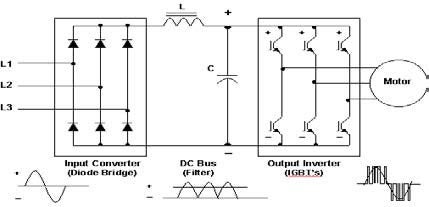
Key Features of AC Drives
• Energy Efficiency: In many plants, motors don’t actually need to run at full speed all the time. AC drives help optimise the performance of AC drive motors by adjusting output based on real process demand. When teams start analysing AC vs DC drives, this gradual reduction in wasted electricity often becomes a deciding factor during system upgrades.
• Precise Speed Control: Operators often notice that systems fitted with AC and DC motor drives behave differently during small load changes. When engineers compare AC and DC drives, AC solutions are often appreciated for smoother speed transitions. This stability becomes especially useful in continuous production environments where consistency matters more than sudden bursts of power.
• Soft Starting: A sudden motor start can feel harsh. You hear the mechanical jolt before you even see it. AC drives reduce that shock by allowing the motor to pick up speed progressively. Belts, couplings, and gear assemblies handle less stress. Over time, this calmer starting behaviour often translates into fewer unexpected breakdowns.
• Regenerative Braking: In repetitive operations, motors slow down as frequently as they speed up. AC drives can sometimes capture a portion of that deceleration energy and send it back into the system. The impact depends on duty cycles, of course. Still, in certain installations, this subtle recovery contributes to improved overall electrical efficiency.
What Is DC Drives?
DC drives control the speed of DC motors. They do so by varying the voltage supplied to the armature or the current to the field winding. These motors have been a staple in industries requiring high torque at low speeds.
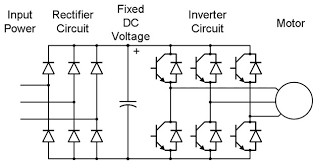
Key Features of DC Drives
• High Starting Torque: There is something reassuring about how DC drive motors handle heavy loads from standstill. When industries study the difference between AC drives and DC drives, strong starting torque often becomes a key reason DC solutions remain relevant in lifting or rolling applications with high inertia.
• Simple Control: Technicians who have worked with older equipment often describe DC drives as straightforward to understand. Speed changes follow voltage adjustments in a predictable way. While modern systems can be more complex, this simplicity still appeals in certain environments. It allows quicker troubleshooting and fewer surprises during routine maintenance or parameter tuning.
• Excellent Speed Regulation: In processes where output quality depends on uniform motion, the advantages of DC drives become more visible. Even when resistance changes, rotational stability can be maintained. This is one reason why AC vs DC drives discussions still continue in precision-driven industries like printing or metal forming.
Applications of AC Drives and DC Drives
Applications of AC Drives (VFDs)
AC drives are widely used in modern industries due to their efficiency, reliability, and low maintenance:
• Industrial Automation: Used in conveyor belts, assembly lines, and packaging machines where variable speed control is essential for smooth operation and productivity.
• Pumps and Fans: Commonly used in water supply systems, irrigation, HVAC systems, and cooling towers to regulate flow and save energy by adjusting motor speed.
• HVAC Systems: AC drives control compressors, blowers, and ventilation systems, improving energy efficiency and maintaining desired temperature conditions.
• Compressors and Blowers: Used in industries such as oil & gas, chemical plants, and manufacturing to control pressure and airflow.
Applications of DC Drives
DC drives are preferred in applications requiring high torque and precise control:
• Cranes and Hoists: Provide high starting torque and precise speed control for lifting heavy loads safely.
• Rolling Mills: Used in steel and metal industries where constant speed and high torque are required during processing.
• Electric Traction: Used in electric trains, trams, and locomotives (especially older systems) for smooth and powerful acceleration.
• Elevators: Provide accurate speed control and smooth operation in older or heavy-duty elevator systems.
Difference between AC Drives and DC Drives
The difference between AC drives and DC drives lies in how they control motors, their performance, cost, and applications.
| Aspect | AC Drives | DC Drives |
|---|---|---|
| Motor Type | Works with AC motors. | Requires DC motors. |
| Speed Control | Adjusts speed via frequency control. | Controls speed by varying voltage/current. |
| Efficiency | Highly energy-efficient with regenerative braking. | Slightly less efficient due to higher losses. |
| Maintenance | Requires less maintenance due to fewer components. | Needs regular upkeep, especially the brushes. |
| Applications | HVAC, conveyors, pumps, and fans. | Cranes, elevators, and rolling mills. |
| Cost | Higher initial investment but cost-effective in the long term. | Lower upfront cost but higher operational expenses. |
Considerations When Choosing Between AC and DC Drives
Selecting the right drive depends on several factors:
Application Requirements
Drive selection usually becomes clearer after observing real production behaviour. Some applications demand flexibility, while others require strong torque delivery. Understanding the difference between AC drives and DC drives helps engineers align drive technology with actual operational patterns rather than theoretical performance expectations.
Budget
Financial evaluation goes beyond equipment price. Installation changes, servicing needs, and energy usage all influence long-term costs. When organisations compare AC and DC drives, lifecycle expenditure often shapes final decisions more than initial purchase considerations.
Maintenance Capabilities
Maintenance teams play a bigger role in drive selection than many people realise. If skilled support is limited, simpler systems may be preferred even if performance advantages exist elsewhere. Some setups require periodic component replacement or detailed calibration. Aligning technology choice with available technical expertise helps avoid avoidable downtime situations.
Energy Efficiency Goals
Organisations increasingly track power consumption more closely than before. Drives that allow speed variation can support energy reduction targets, particularly in variable load applications. However, efficiency is not always the only priority. In certain heavy-duty processes, performance stability or torque delivery may still outweigh potential energy savings considerations.
Why AC Drives Are More Popular Than DC Drives
1. Technology Advancements: Innovations in power electronics make AC drives more reliable and user-friendly.
2. Wide Availability: AC motors and drives are readily available. Hence, they make replacements and upgrades seamless.
3. Lower Maintenance: AC systems require less downtime for repairs with fewer moving parts.
However, DC drives still hold an edge in niche applications requiring exceptional torque and speed control at low speeds.
Also Read: Understanding AC Drive VFD Technology
Conclusion
Choosing between AC and DC drives boils down to understanding your specific application needs and balancing efficiency, cost, and maintenance. While AC drives, particularly VFD drives, are leading the charge in modern automation, DC drives still hold a place in specialized applications.
For a seamless transition to modern drive technology, trust Lauritz Knudsen Electrical & Automation . Their expertise and cutting-edge solutions ensure that you find the perfect drive to match your requirements. Whether you need a robust AC drive system or a reliable DC drive, Lauritz Knudsen has you covered. Explore their offerings today and step into the future of efficient motor control.
FAQ
Q1. Can AC drives be used instead of DC drives?
Ans. In many cases, AC drives can replace DC systems, especially where energy efficiency and automation compatibility are priorities. However, conversion may require motor replacement and control redesign. Engineers usually perform load analysis before implementing such changes to avoid performance limitations or installation complications.
Q2. Which type of drive is more suitable for industrial applications?
Ans. Suitability depends on application characteristics. AC drives work well in variable speed environments like pumping or ventilation systems. DC drives remain effective in heavy torque operations such as cranes or rolling mills. Evaluating operational demands carefully helps determine the most practical drive technology.
Q3. Are AC and DC drives safe to use?
Ans. Both drive types are safe when installed correctly and operated within recommended electrical limits. Built-in protection features help prevent overload conditions or sudden faults. Routine inspection, proper grounding, and adequate cooling arrangements further enhance safety in industrial installations.
Q4. Which drive provides better torque at low speeds?
Ans. DC drives traditionally offer stronger torque response at very low speeds because of direct voltage control. Advanced AC drive technologies have improved significantly, but DC systems are still preferred in certain precision applications. The final choice depends on torque consistency requirements.
Q5. Which motors are used with DC drives?
Ans. DC drives operate with motors designed for armature voltage regulation, such as shunt or separately excited configurations. These motors allow accurate speed control and strong starting torque. They are commonly deployed in lifting equipment, rolling mills, and printing machines.
Q6. Which motors are used with AC drives?
Ans. AC drives typically control induction or synchronous motors. These motor types are widely available, mechanically robust, and suitable for variable speed applications. Industries use them in fans, conveyors, compressors, and pumping systems where energy optimisation is important.
Q7. Which drive requires more maintenance?
Ans. DC drive systems generally require more maintenance due to the presence of brushes and commutators that wear during operation. AC drive systems paired with brushless motors involve fewer mechanical contact parts, reducing servicing frequency and downtime risks.
Comments