
What is a Changeover Switch and Its Function?
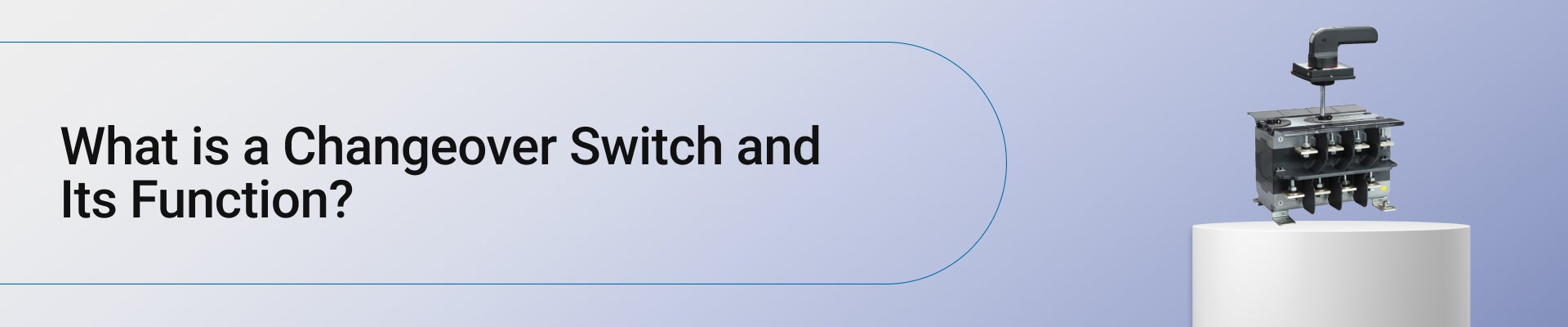
Within the domain of electrical systems, the changeover switch assumes a crucial role in facilitating smooth transitions between power sources. Its significance extends across diverse environments, encompassing residential, commercial, and industrial settings. An adept comprehension of the functions, classifications, and applications of changeover switches is paramount for proficient power management.
This all-encompassing guide delves into the nuances of changeover switches, elucidating their operational mechanisms, diverse types, varied applications, and the merits and demerits linked to these adaptable electrical components.
What is a Changeover Switch?
A changeover switch, also known as a transfer switch or a crossover switch, is an electrical device designed to facilitate the transfer of power supply between two sources. It allows users to switch from one power source to another manually or automatically, ensuring a continuous and reliable power supply. Changeover switches are integral components in scenarios where a backup power source, such as a generator or an alternate power grid, is employed to prevent interruptions during power outages or maintenance activities.
Function of Changeover Switch
The function of change over switch systems goes beyond simple switching. It controls how electricity shifts between two separate power sources. More importantly, it ensures those sources never connect at the same time. That isolation protects equipment, prevents backfeeding, and keeps the electrical network stable during outages.
Ensures Power Continuity
When the main supply cuts off, operations don’t necessarily stop. A changeover switch allows the system to draw power from a backup source instead. This keeps essential appliances, security systems, and machinery running. In commercial setups especially, continuous power prevents workflow disruption and avoids unnecessary financial loss.
Prevents Backfeeding
Backfeeding happens when generator power flows into utility lines. It’s dangerous and entirely avoidable. An electrical changeover switch prevents this by isolating the incoming supply before connecting the alternate source. This safety feature protects electrical workers and prevents transformer damage. Proper isolation is one of the most important roles of the switch.
Protects Electrical Equipment
Electrical systems don’t always restart smoothly after outages. Voltage fluctuations are common. A controlled switching process reduces sudden surges that might damage appliances or heavy machinery. Quality switches are built with durable contact points to manage these transitions safely. Over time, this protection extends equipment life and improves overall system reliability.
Supports Load Management
During generator operation, not every circuit needs power. Changeover switches help manage which loads remain active. This prevents generator overload and improves efficiency. An MCB changeover switch adds overload and short-circuit protection, giving extra security. Thoughtful load management keeps the system stable and avoids unnecessary strain on backup equipment.
Working Principle of a Changeover Switch
The changeover switch working principle is based on one key idea- disconnect first, then reconnect. It separates the active source before linking the alternate one. This break-before-make design prevents short circuits. Whether manual or automatic, the principle remains consistent across different models and installation types.
Power Source Detection
In automatic systems, sensors continuously monitor the incoming voltage. If it drops or fails, the system prepares to activate the backup generator. Once stable power is available, switching begins. This monitoring process reduces downtime and ensures that connected loads experience minimal interruption during transitions.
Isolation Mechanism
If you have seen a changeover switch symbol in wiring diagrams, you will notice the clear separation between sources. Internally, the switch physically prevents both inputs from connecting simultaneously. This mechanical or relay-based isolation eliminates overlap and reduces electrical hazards. It’s a fundamental safety feature built into the design.
Switching Operation
Switching may happen through a lever, rotary handle, or relay system depending on the model. Regardless of design, the goal is smooth transfer. Controlled movement reduces sparking and mechanical wear. Over time, reliable switching ensures consistent performance even in environments where power interruptions are frequent.
Load Transfer Process
After isolation, the load connects to the alternate source. Voltage stabilizes before full distribution resumes. This prevents sudden shocks to connected appliances. A properly functioning load transfer process ensures smooth restoration of power and long-term operational stability.
How a Changeover Switch Works
The fundamental operation of a changeover switch involves diverting the electrical load from one power source to another. Here's a brief overview of how a changeover switch works:
1. Source Selection
In a manual changeover switch, the user physically turns the switch to select the desired power source—either the main power supply or the backup generator. Automatic changeover switches, on the other hand, rely on sensors to detect interruptions in the main power supply. Once a disruption is identified, the switch automatically transfers the load to the backup source.
2. Contact Mechanism
Changeover switches consist of electrical contacts that make or break connections between the load and the power sources. The switch ensures that the load is connected to only one power source at a time, preventing a simultaneous connection that could lead to electrical hazards.
3. Seamless Transition
The changeover process aims for a seamless transition, minimizing downtime and disruptions to connected devices or systems. In automatic changeover switches, the transition is swift, triggered by the sensors detecting voltage fluctuations or outages in the main power supply.
Types of Changeover Switch
Changeover switches come in various types, each tailored to specific applications. Here are some common types:
Manual Changeover Switch
A manual changeover switch does exactly what its name suggests- you operate it yourself. When power fails, someone physically shifts the handle to the generator side. It’s simple, cost-effective, and commonly used in residential properties. While it requires human intervention, it remains one of the most reliable and straightforward options available.
Automatic Changeover Switch
An automatic changeover switch removes the need for manual action. The moment the main supply drops, the system senses it and transfers the load. The changeover switch working principle here depends on internal relays and voltage monitoring. It’s widely preferred in hospitals, offices, and facilities where even a few seconds of downtime matters.
Generator Changeover Switch
This type is specifically built for generator integration. A properly installed change over switch for generator systems prevents reverse current and ensures complete isolation from the grid. It protects internal wiring and connected appliances during transitions. In both residential and commercial buildings, this design improves operational safety.
How to Connect a Changeover Switch
Understanding how to connect changeover switch systems correctly is essential for safe performance. Installation should follow electrical diagrams and manufacturer guidelines carefully. Mistakes in wiring can lead to overheating, short circuits, or equipment damage. In most cases, professional supervision is strongly recommended.
Identify Power Sources
Start by clearly identifying the main supply terminals and generator input points. Labeling helps avoid confusion during installation and future servicing. Confirm voltage ratings before proceeding. Proper identification ensures safe wiring and simplifies troubleshooting if issues arise later.
Connect Input and Output Terminals
Connect the utility supply to one input terminal and the generator to the other. The output terminal should feed the distribution board. Use cables rated for the expected load current. Loose connections can cause overheating, so tightening terminals properly is important for long-term safety.
Install Protection Devices
Protective components such as circuit breakers and proper grounding systems enhance safety significantly. An MCB changeover switch provides built-in overload and short-circuit protection. Earthing ensures excess current dissipates safely during faults. These measures reduce risks and ensure compliance with electrical safety standards.
Test the Installation
Before putting the system into regular use, conduct a controlled test. Simulate a power failure and observe the switching process. Ensure proper isolation between sources and stable voltage output. Testing confirms correct installation and prevents future operational issues.
Uses of a Changeover Switch
Changeover switches find widespread applications across various sectors due to their versatility and reliability. Some common uses include:
Residential Applications
An electrical changeover switch is mostly used with a generator during outages in homes. The change over switch for generator setups allows safe transfer without touching wiring manually during unexpected power cuts. It keeps lights, fans, refrigerators, and basic appliances running. It prevents reverse current from flowing back into the grid, which can be dangerous.
Commercial Establishments
Shops, offices, and small commercial units cannot afford sudden power failure. A properly installed changeover switch working principle ensures only one supply feeds the system at a time. Billing systems, CCTV cameras, and computers continue operating when the generator takes over. This reduces business disruption and protects electronic equipment from unstable voltage shifts.
Industrial Settings
In factories, even a few minutes of power loss can stop production lines. An electrical changeover switch helps shift heavy loads from mains to generator without overlapping sources. The function of change over switch systems in industrial plants is not just convenience. It prevents machinery stress, production loss, and sudden electrical shock to large motors.
Healthcare Facilities
Hospitals rely heavily on uninterrupted electricity. From ventilators to operation theatre lighting, backup systems must activate instantly. A change over switch for generator installations ensures that critical equipment continues functioning safely. The changeover switch working principle guarantees isolation before transfer, reducing risk during emergency power restoration.
Telecommunication Infrastructure
Mobile towers and communication centers depend on stable power. When grid supply fails, an electrical changeover switch shifts load to generator backup. Without this, signal interruptions and data disruption can occur. The structured switching mechanism ensures continuous connectivity, especially during storms or grid instability.
Advantages and Disadvantages of a Changeover Switch
Understanding the pros and cons of changeover switches is essential for making informed decisions in selecting and implementing these devices.
Advantages of a Changeover Switch
Reliability
One major benefit of a changeover switch is reliability. The function of change over switch systems is designed around controlled isolation. Only one power source connects at a time. This eliminates accidental overlap and protects wiring. Whether installed in homes or factories, dependable switching improves overall electrical system stability.
Versatility
Changeover switches come in manual, automatic, and MCB changeover switch variants. This makes them adaptable across different load capacities and environments. From small houses to industrial panels, there’s a suitable configuration. The changeover switch symbol in wiring diagrams clearly reflects its dual-source capability.
Reduces Downtime
Downtime costs money. In businesses and factories, every interruption affects productivity. A properly rated electrical changeover switch reduces that downtime by enabling quick and structured transfer. Instead of complete shutdown, operations continue on backup supply. The faster the switching response, the lower the operational impact.
Ease of Use
Manual switches are straightforward- a simple lever movement transfers supply. Automatic models follow the changeover switch working principle internally, requiring no human action. Clear labeling and organized wiring make operation easy once installed properly. Even routine inspection remains simple.
Disadvantages of a Changeover Switch
Cost
High-capacity or automatic changeover switches can be expensive. An advanced MCB changeover switch includes protective features that add to the price. For small residential setups, this may feel like an added expense. However, many consider it justified when compared to potential damage from improper generator connections.
Maintenance
Like any electrical device, periodic checks are necessary. Loose terminals or worn contacts can affect performance over time. If the change over switch for generator systems is used frequently, inspection becomes even more important. Preventive maintenance helps avoid switching failure during actual power outages.
Complexity
Automatic systems include sensing circuits and relays. That makes installation more technical compared to manual versions. Understanding how to connect changeover switch wiring properly requires knowledge of load distribution. Incorrect configuration can compromise safety, so professional supervision is often advisable.
Dependency on Power Sources
A changeover switch itself doesn’t generate electricity. It depends entirely on a functional backup source. If the generator fails or is poorly maintained, the switching system cannot help. Reliable generator servicing and fuel management remain essential for uninterrupted performance.
Also Read: What are Bypass Switches? Types, Advantages and Disadvantages
Conclusion
The changeover switch is a crucial element in electrical systems, offering a dependable and effective method for power source management. By carefully weighing factors like manual or automatic operation, specific use cases, and desired features, both individuals and businesses can make informed choices, guaranteeing a consistent and uninterrupted power supply. This, in turn, enhances the overall efficiency and reliability of electrical systems.
FAQ About Changeover Switch
Q1. What is the difference between manual and automatic changeover switches?
Ans. Changeover switches need human intervention for their operation to switch power sources. The user must manually flip the switch when needed. On the other hand, automatic changeover switches detect power loss automatically and seamlessly switch to the backup power source without any human input. This ensures continuous power supply and is ideal for critical applications where power interruptions can cause significant disruptions.
Q2. How do you install a changeover switch?
Ans. Installing a changeover switch involves the following steps.
Turn off the main power supply to ensure safety. Mount the switch securely in an accessible location. Connect the main power supply, backup power source, and the load to the designated terminals on the switch. Ensure all connections are tight and secure. Once everything is connected, turn the power back on and test the switch to ensure it operates correctly. Always take professional assistance for installation.
Q3. What safety precautions should be taken when operating a changeover switch?
Ans. Operating a changeover switch, you must always ensure the power is off before making any connections or adjustments. You should use insulated tools and wear protective gear, such as gloves and safety glasses. Also, make sure the switch is properly grounded to avoid electrical shocks. Regularly inspect the switch for signs of wear or damage and avoid operating it in wet or damp conditions. Always follow the manufacturer's guidelines and consult a qualified electrician if you're unsure.
Q4. How do you maintain a changeover switch to ensure its reliability?
Ans. To maintain a changeover switch, regularly inspect it for signs of wear, corrosion, or loose connections. Clean the switch and its components to prevent dust buildup, which can affect performance. Test the switch periodically to ensure it functions correctly, particularly before storm seasons or expected power outages. Lubricate moving parts as recommended by the manufacturer. Additionally, schedule professional maintenance checks to identify potential issues early and ensure the switch remains reliable over time.
Q5. Is a changeover switch mandatory for generator installation?
Ans. If you are installing a generator, skipping a change over switch for generator setups isn’t a good idea. In many cases, it’s legally required. Without it, electricity can flow backward into utility lines which is a serious safety issue. An electrical changeover switch ensures the main supply and generator never run together, keeping people and equipment safe.
Q6. How do I choose the right rating (amps) for a changeover switch?
Ans. Choosing the correct rating isn’t complicated, but it does require a quick calculation. Add up the total load you expect to run during a power cut. The switch should handle slightly more than that value. Whether installing an electrical changeover switch or an MCB changeover switch, always allow some breathing space for future appliances.
Q7. What is the lifespan of a changeover switch?
Ans. A well-installed changeover switch can easily last over a decade. In homes where it’s rarely used, it may last even longer. In industrial setups with frequent switching, wear happens faster. Quality matters here. Strong internal contacts, proper tightening, and avoiding overload make a noticeable difference in long-term durability.
Q8. Which is better: 2-pole, 3-pole, or 4-pole changeover switch?
Ans. The “better” option depends entirely on your power supply. For standard homes, a 2-pole model usually works fine. Three-phase systems require 3-pole or 4-pole switches. A 4-pole version also disconnects the neutral line, adding extra protection. The right selection depends on your installation type, not just preference.