
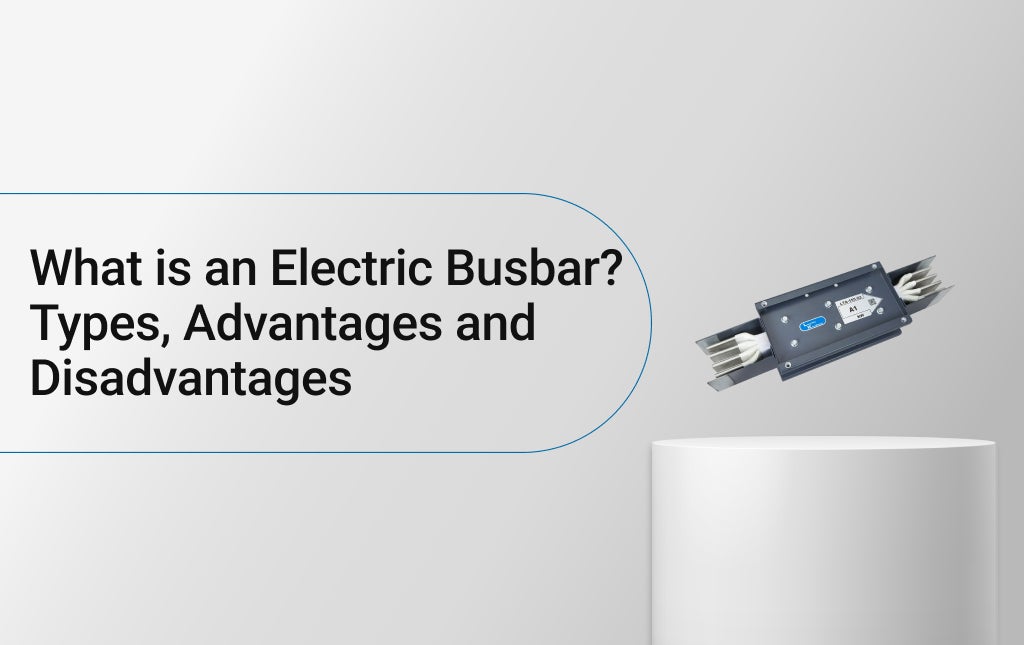
What is an Electric Busbar? Types, Advantages and Disadvantages
Modern electrical systems require safe and efficient power distribution, especially where multiple circuits operate together. This is where busbars become extremely important. If you want to understand what a busbar is in electrical, it is a conductor that collects and distributes electrical current efficiently.
Table of Contents
• Advantage and Disadvantage of Electrical Busbar
Busbars simplify wiring and improve system reliability. The busbar trunking system is widely used in industries, buildings, and substations because it provides organized power distribution. Understanding what is the use of busbar in electrical systems helps engineers design safer and more efficient installations. Busbars improve performance, reduce wiring complexity, and ensure reliable electrical connections in modern power systems today.
What is Electrical Busbar?
To explain what a busbar is in electrical systems, it is a metallic conductor used to collect and distribute electrical current to multiple circuits. It acts as a common connection point where power is received and distributed efficiently.
The main answer to what is the function of the busbar is that it ensures smooth power distribution without complex wiring. Busbars are typically made of copper or aluminium due to their excellent conductivity. They are widely used in switchgear, substations, and distribution panels. Understanding what is the use of busbar in electrical systems helps ensure safe operation, efficient power transfer, and simplified electrical installations across industries worldwide.
Types of Electrical Busbar
There are several types of busbars used in electrical systems depending on design, material, and application. Each type offers different benefits in power distribution. Choosing the right type improves performance and safety. Understanding the various types of busbars helps engineers select suitable systems for industrial, commercial, and power distribution applications safely today.
Copper Busbar
Copper busbars are widely used because of their excellent conductivity. They allow efficient power flow with minimal energy loss. Copper is strong and resistant to corrosion. This improves durability and reliability. Copper busbars support heavy electrical loads safely. They are commonly used in substations and industrial systems. Their performance makes them ideal for high-performance applications. Copper busbars help improve system efficiency and ensure reliable electrical power distribution across modern electrical installations safely.
Aluminium Busbar
Aluminium busbars are lighter and more cost-effective than copper. They provide good conductivity and are easier to install. Their lightweight structure reduces installation effort. Aluminium busbars are commonly used in commercial and industrial applications. They offer good performance at lower cost. Their efficiency makes them suitable for power distribution. Aluminium busbars improve system efficiency and support reliable electrical installations in modern electrical distribution systems worldwide safely and efficiently.
Single Busbar Arrangement
Single busbar arrangements use one conductor to distribute power. This design is simple and cost-effective. It is used in small electrical systems where continuous power supply is not critical. Maintenance is easy due to simple design. However, faults can interrupt supply. This arrangement is suitable for smaller applications. Single busbar systems provide reliable performance in simple electrical installations requiring efficient power distribution and basic operational requirements safely worldwide.
Double Busbar Arrangement
Double busbar arrangements use two busbars for improved reliability. This design allows maintenance without interrupting power supply. It improves system flexibility and safety. If one busbar fails, the other can continue supplying power. This improves reliability. Double busbar systems are used in substations and large industrial applications. These arrangements ensure safe and continuous electrical power distribution in critical electrical systems requiring high reliability worldwide safely.
Uses of Electrical Busbar
Understanding what is the use of a busbar in electrical systems helps explain its importance. Busbars distribute power efficiently. They improve safety and reduce wiring complexity. The busbar trunking system improves organized power distribution. Busbars are essential in substations, industries, and electrical panels where efficient and safe power distribution is required worldwide today safely.
Power Distribution in Substations
Busbars play a major role in substations. They distribute electrical power to different circuits safely. Their design simplifies power distribution. This reduces wiring complexity. Busbars improve reliability and safety. They ensure efficient electrical operation. Substations depend on busbars for proper power distribution. Busbars help maintain stable electrical supply and improve performance in electrical power distribution systems worldwide safely and efficiently today.
Industrial Electrical Systems
Industrial systems use busbars for reliable power distribution. Busbars support heavy electrical loads safely. They improve efficiency and reduce wiring complexity. Industrial panels use busbars for safe operation. Busbars improve electrical performance. Their reliability ensures efficient operation. Industrial automation systems depend on busbars. They ensure safe and reliable electrical power distribution in industrial electrical installations worldwide safely every day.
Commercial Building Power Systems
Commercial buildings use busbars for safe power distribution. Busbars distribute electricity to different floors and systems. They improve efficiency and safety. Busbars simplify electrical installations. Their design improves reliability. Busbars reduce wiring requirements. Electrical systems in commercial buildings rely on busbars. They ensure efficient power distribution and reliable electrical system performance in modern commercial infrastructure worldwide safely today.
Busbar Trunking System Applications
The busbar trunking system is used in large electrical installations. It provides organized power distribution. This system improves safety and efficiency. It allows easy expansion and maintenance. Busbar trunking systems are used in industries and commercial buildings. They simplify power distribution. The busbar trunking system improves reliability and ensures safe and efficient electrical power distribution in modern infrastructure worldwide safely every day.
Advantage and Disadvantage of Electrical Busbar
Understanding the advantages and disadvantages of an electrical busbar helps in selecting suitable systems. Busbars improve efficiency and simplify installations. However, they also have limitations. Knowing the advantages and disadvantages of an electrical busbar helps engineers design reliable and safe electrical systems while ensuring efficient performance and safe power distribution worldwide today safely.
Advantages of Electrical Busbar
Efficient Power Distribution
Busbars improve electrical efficiency. They distribute power efficiently with minimal energy loss. This improves overall system performance. Busbars reduce voltage drop. They improve electrical reliability. Efficient power distribution improves system performance. Busbars ensure safe operation. They support reliable electrical installations. Busbars improve efficiency and ensure safe electrical power distribution in modern electrical systems worldwide safely every day.
Reduced Wiring Complexity
Busbars reduce the need for multiple wires. This simplifies electrical installations. Reduced wiring improves safety. It also improves system organization. Busbars make electrical systems easier to maintain. Simplified installations improve reliability. Reduced wiring improves efficiency. Busbars help maintain organized electrical installations. They improve safety and ensure efficient power distribution in modern electrical infrastructure worldwide safely today.
Improved System Reliability
Busbars improve reliability by providing stable electrical connections. They reduce chances of loose connections. Reliable connections improve system performance. Busbars support safe operation. They improve electrical safety. Reliable systems reduce maintenance requirements. Busbars ensure efficient power distribution. They improve performance and ensure reliable electrical operation in modern electrical systems worldwide safely today.
Disadvantages of Electrical Busbar
Higher Initial Cost
Busbars require higher initial investment compared to traditional wiring. Installation costs may be higher. However, long-term benefits offset costs. Busbars improve efficiency. Initial investment may be higher. Proper planning reduces cost issues. Busbars provide reliable performance. Their long-term benefits improve electrical system efficiency and reliability worldwide safely today.
Space Requirements
Busbars may require more installation space. This can increase installation complexity. Proper design reduces space issues. Busbars improve efficiency despite space requirements. Proper planning ensures efficient installation. Busbars improve reliability. Their performance justifies installation space requirements. Busbars support reliable electrical systems worldwide safely today.
Skilled Installation Requirement
Busbars require skilled installation. Proper installation ensures safety. Incorrect installation may cause faults. Skilled professionals ensure reliable operation. Proper installation improves performance. Busbars require careful planning. Skilled installation improves reliability. Busbars ensure safe electrical operation in modern electrical systems worldwide safely every day.
Difference between Busbar and Bus Duct
Understanding the difference between busbar and bus duct helps select suitable electrical systems. Busbars are conductors used inside panels, while bus ducts are enclosed systems used for power distribution. Both serve similar functions but differ in structure, protection, and application in electrical distribution systems worldwide today safely and efficiently.
| Feature | Busbar | Bus Duct |
|---|---|---|
| Structure | Solid conductor | Enclosed conductor system |
| Protection | Limited protection | Fully enclosed protection |
| Installation | Used inside panels | Used for large power distribution |
| Application | Switchgear and panels | Industrial and commercial power distribution |
| Safety | Basic safety | Higher safety protection |
Also Read: What Is an Electric Circuit? A Beginner's Guide
Conclusion
Busbars are essential components in modern electrical systems. Understanding what is busbar in electrical, its uses, and the advantage and disadvantage of electrical busbar helps ensure proper system design. Busbars improve efficiency, safety, and reliability in electrical installations.
They simplify power distribution and reduce wiring complexity. Understanding the difference between busbar and bus duct helps select suitable systems. Busbars support safe electrical operation and improve system performance. For reliable and efficient electrical solutions, professionals can explore suitable products available on the SmartShop of Lauritz Knudsen Electrical & Automation for safe and efficient electrical system installations.
FAQs
Q1. What material is commonly used for busbars?
Ans. Busbars are usually made of copper or aluminium. These materials provide excellent electrical conductivity. Copper offers higher conductivity, while aluminium provides cost and weight advantages. Material selection depends on application, budget, and performance requirements. Both materials ensure reliable electrical power distribution and efficient system performance worldwide safely today.
Q2. Where are busbars installed?
Ans. Busbars are installed in switchgear, substations, and electrical panels. They are also used in industrial and commercial electrical systems. Busbars provide reliable power distribution. Their installation improves system efficiency and safety. Busbars support efficient electrical infrastructure worldwide safely today.
Q3. Are busbars safe?
Ans. Yes, busbars are safe when installed correctly. They improve electrical safety. Proper insulation and installation ensure protection. Busbars reduce wiring faults. Safe installation ensures reliable electrical operation. Busbars support safe electrical systems worldwide safely today.
Q4. Can busbars handle high current?
Ans. Yes, busbars are designed to handle high electrical current safely. Their design supports heavy loads. Busbars improve electrical performance. They ensure reliable power distribution. Busbars support efficient electrical infrastructure worldwide safely today.
Q5. Why are busbars better than cables?
Ans. Busbars improve efficiency and reduce wiring complexity. They provide reliable connections. Busbars improve safety. They support efficient electrical systems. Busbars ensure reliable electrical operation worldwide safely today.
Comments