





What is a Resistor in Electrical? Types, Symbol and Uses
Electricity doesn’t behave nicely on its own. It needs boundaries. Without them, current just keeps increasing until something overheats, sparks, or simply stops working. That’s where small components quietly take control and one of the most important among them is the resistor.
It’s easy to ignore because it looks basic. Just a tiny part sitting on a circuit board. But remove it, and things go wrong very quickly. Think about a simple LED. No resistor? It burns out almost instantly.
So the real question becomes- what is resistor and why does it show up in almost every circuit? The answer is simple, but understanding it properly changes how electrical systems start to make sense.
Table of Contents
What is a Resistor?
A resistor is a component that limits the flow of electric current. That’s the direct answer to what is resistor. But honestly, just saying that feels incomplete. Because in reality, current doesn’t politely stay within limits. It tries to take as much as it can. That’s its nature. And without something holding it back, most components wouldn’t last long at all.
This is where resistors come in. They don’t stop current, they control it. That distinction matters. Inside electrical circuits, resistors are used to keep everything balanced. For example, in a phone charger, resistors help regulate how much current reaches internal components. Too much, and you would be replacing your charger every week.
Resistors also help divide voltage, stabilise signals, and protect sensitive parts. They are not just blockers. They are regulators. Each resistor has a value measured in ohms, which defines how strongly it resists current. Some resistors stay fixed, others can be adjusted depending on the situation.
So even though it looks like one of the simplest parts in a circuit, it’s doing more work than it gets credit for.
Different Types of Resistors
Not every resistor behaves the same way. The types of resistor available are built for different purposes. Some are fixed and predictable, others adjustable. Understanding the different types of resistors isn’t just theory. It helps in choosing what actually works in real circuits.
1. Fixed Resistors
Fixed resistors are the most commonly used. Their resistance value doesn’t change, which makes them reliable. Once placed in a circuit, they do their job without needing adjustment. You will find them in power supplies, LED circuits, and almost every electronic board. They are simple, consistent, and honestly, they handle most everyday requirements without any complications.
2. Variable Resistors
Variable resistors are more hands-on. Their resistance can be adjusted, usually by turning a knob or slider. This is where the use of variable resistor becomes obvious- volume controls, fan regulators, dimmers. Instead of redesigning a circuit, you just adjust resistance. It’s practical and flexible, especially when conditions change or user control is needed.
3. Wire-Wound Resistors
These are built for tougher conditions. Wire-wound resistors use a metal wire wrapped around a core, allowing them to handle higher power levels. They are not small or compact, but they are dependable. You will usually see them in industrial setups where heat and load are significant. Not fancy, but they don’t fail easily under stress.
4. Carbon Film Resistors
Carbon film resistors are everywhere in general electronics. They are made using a thin carbon layer over a ceramic base. Affordable and reasonably reliable, they are used in TVs, radios, and basic circuit boards. They may not offer high precision, but for most applications, they work just fine without adding unnecessary cost.
5. Metal Film Resistors
Metal film resistors are chosen when accuracy matters more. They provide better tolerance and stability compared to carbon types. In audio systems or measuring instruments, small variations can cause noticeable issues. That’s where these resistors come in. Slightly more expensive, yes, but they are used when precision is not optional.
How Does a Resistor Work
A resistor works by opposing current flow, but that’s just the surface. Inside electrical circuits, this simple action affects how the entire system behaves. Once the basics are understood, it becomes clear that resistors aren’t passive. They are quietly controlling outcomes.
1. Ohm’s Law in Action
Everything comes down to a simple relationship- voltage, current, and resistance. Increase resistance, and current drops. Reduce it, and current increases. This predictable behaviour is what makes resistors useful. Engineers depend on this consistency when designing circuits that need stable performance under changing conditions.
2. Energy Dissipation
When current passes through a resistor, some energy is lost as heat. That’s unavoidable. In small circuits, it’s barely noticeable. But in high-power systems, it matters a lot. That’s why resistors are rated based on how much heat they can safely handle without getting damaged.
3. Voltage Division
Resistors can split voltage across a circuit. By placing them in series, voltage gets divided into smaller parts. This is useful when different components need different voltage levels. Instead of using multiple power sources, resistors help distribute voltage in a controlled way.
4. Current Limiting
One of the most practical uses is limiting current. For example, LEDs need controlled current to function properly. Without a resistor, they fail quickly. That’s a clear explanation of what is the use of resistor- it protects components by keeping current within safe limits.
5. Signal Conditioning
Resistors also shape electrical signals. In communication systems or amplifiers, they help stabilise and adjust signals. Without this control, signals can become distorted or unreliable. It’s subtle, but essential for proper functioning.
Functions of Resistors
Resistors aren’t limited to just one function. Depending on how they are used, they can control, protect, or stabilise a circuit. Looking at the types of resistors and their uses makes it clear they are far more versatile than they first appear.
1. Current Control
Resistors regulate how much current flows. Without them, current could exceed safe limits and damage components. This control is essential in both small and complex circuits.
2. Voltage Regulation
They help maintain proper voltage across components. In voltage divider setups, resistors distribute voltage in a controlled way. This prevents overloading and ensures stable operation.
3. Heat Management
Since resistors convert energy into heat, they help manage energy flow. High-power resistors are designed to handle this heat safely. Without proper management, circuits could overheat and fail.
4. Signal Adjustment
Resistors adjust signal strength in electronic systems. They ensure signals stay within required levels, especially in communication devices.
5. Protection Mechanism
Resistors act as protective elements. They limit sudden surges and prevent damage to sensitive components. In many cases, they are the first safeguard in a circuit.
Properties of Resistors
1. Resistance Value
Resistance is measured in ohms and defines how much current is restricted. Choosing the right value is critical for proper circuit operation.
2. Power Rating
Power rating indicates how much heat a resistor can safely handle. Exceeding this can damage the resistor or the circuit.
3. Tolerance
Tolerance shows how close the actual resistance is to its stated value. Lower tolerance means higher accuracy.
4. Temperature Coefficient
Resistance can change with temperature. This factor becomes important in high-temperature environments.
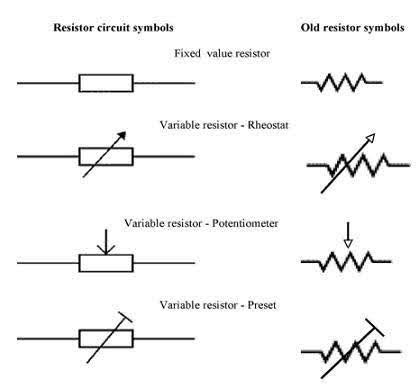
5. Resistor Symbol
The resistor symbol is used in circuit diagrams to represent resistance. It usually appears as a zigzag line or a rectangle. Recognising it helps in understanding and designing circuits more effectively.
Applications of Resistors
Resistors are used almost everywhere. Once noticed, they are hard to miss. From everyday electronics to heavy industrial systems, they quietly control and protect circuits.
1. Consumer Electronics
Devices like phones, TVs, and laptops rely on resistors to regulate current and voltage. Without them, these devices wouldn’t function reliably.
2. Lighting Systems
LED lighting uses resistors to control current. Without them, LEDs would burn out quickly. Another clear case of what is the use of resistor in real applications.
3. Industrial Equipment
In industrial setups, resistors help manage power and protect sensitive components. They are built to handle demanding conditions.
4. Automotive Systems
Vehicles use resistors in lighting, sensors, and control units. They ensure stable electrical performance across systems.
5. Measurement and Testing
Resistors are used in testing equipment to simulate loads and measure circuit performance accurately.
Also Read: Understanding the Electrical Units: Volts, Watts, and Amps
Conclusion
Resistors don’t draw attention, but they are essential. They control, protect, and stabilise circuits without making a fuss. For reliable electrical components and practical solutions, Lauritz Knudsen SmartShop offers products designed for real-world performance where even the smallest component matters.
FAQs
Q. Can resistors be reused after removal?
Ans. Yes, if they are not damaged or overheated, they can be reused without affecting performance.
Q. Why do resistors come in different sizes?
Ans. Size usually relates to power rating. Larger resistors handle more heat and higher loads.
Q. Are resistors affected by humidity?
Ans. In extreme conditions, yes. Moisture can impact performance, especially in low-quality resistors.
Q. Can resistors fail silently?
Ans. Yes, they may change resistance value without visible damage, affecting circuit performance.
Q. Do resistors affect battery life?
Ans. Indirectly. By controlling current flow, they influence how efficiently power is used.
Comments