
What is ELCB (Earth Leakage Circuit Breaker)? A Complete Guide

Electrical safety is not complete with a single device but with a collection of several devices. One crucial device is an ELCB, which helps guard against electric shocks and other potential dangers. This detailed blog covers the basic concepts of ELCBs, such as how they are designed, the different types, ELCB uses, and their positioning and working. It shows the importance of ELCBs in electrical systems.
Table of Contents
• What is ELCB (Earth Leakage Circuit Breaker)?
• Types of Earth Leakage Circuit Breaker
• About the Construction of ELCB
• What is the Function of ELCB
• Common Causes of Earth Leakage
• Difference Between ELCB and MCB
• Advantages of ELCB in Electrical Systems
What is ELCB (Earth Leakage Circuit Breaker)?
Earth Leakage Circuit Breaker (ELCB) is a safety equipment known for its designed function, which prevents electrical circuits and related equipment from experiencing electrical faults, especially earth faults or leakages. It works by blocking the current running through the live and neutral conductors, and this eventually stops electricity, which may cause shocks, fires, or similarly dangerous accidents.
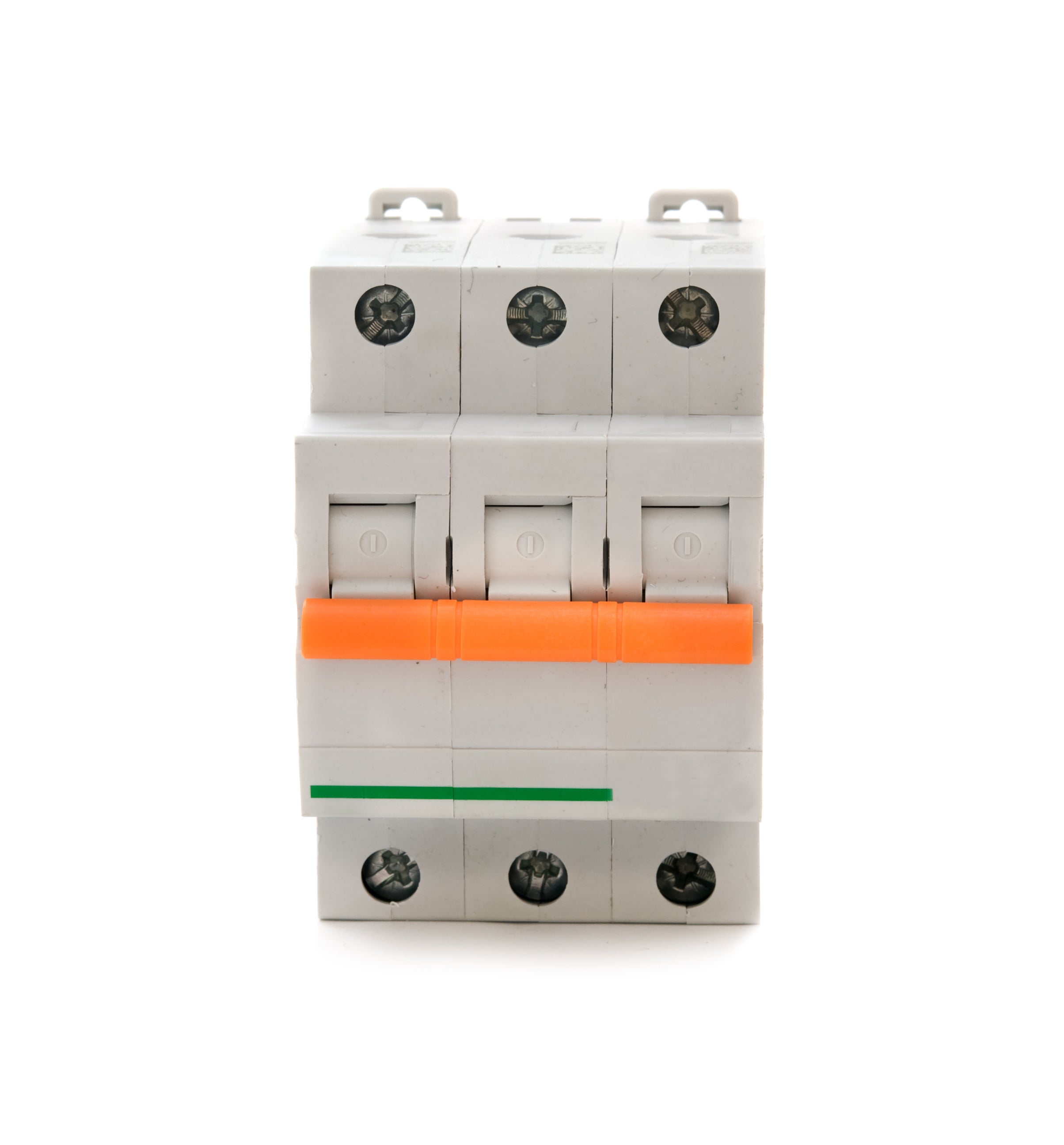
Types of Earth Leakage Circuit Breaker
There are two types of Earth Leakage Circuit Breaker:
Voltage-Operated Earth Leakage Circuit Breaker (ELCB)
A voltage-operated ELCB works by sensing voltage differences that appear during an earth fault. It monitors the metal body of electrical equipment and trips the circuit when unsafe voltage builds up. This type mainly depends on proper earthing to detect leakage and provide protection.
Key Points:
• Detects voltage rise between equipment body and earth
• Requires strong and reliable earthing system
• Commonly used in older electrical installations
• Trips when fault voltage energises the trip coil
• Less sensitive compared to modern current-operated devices
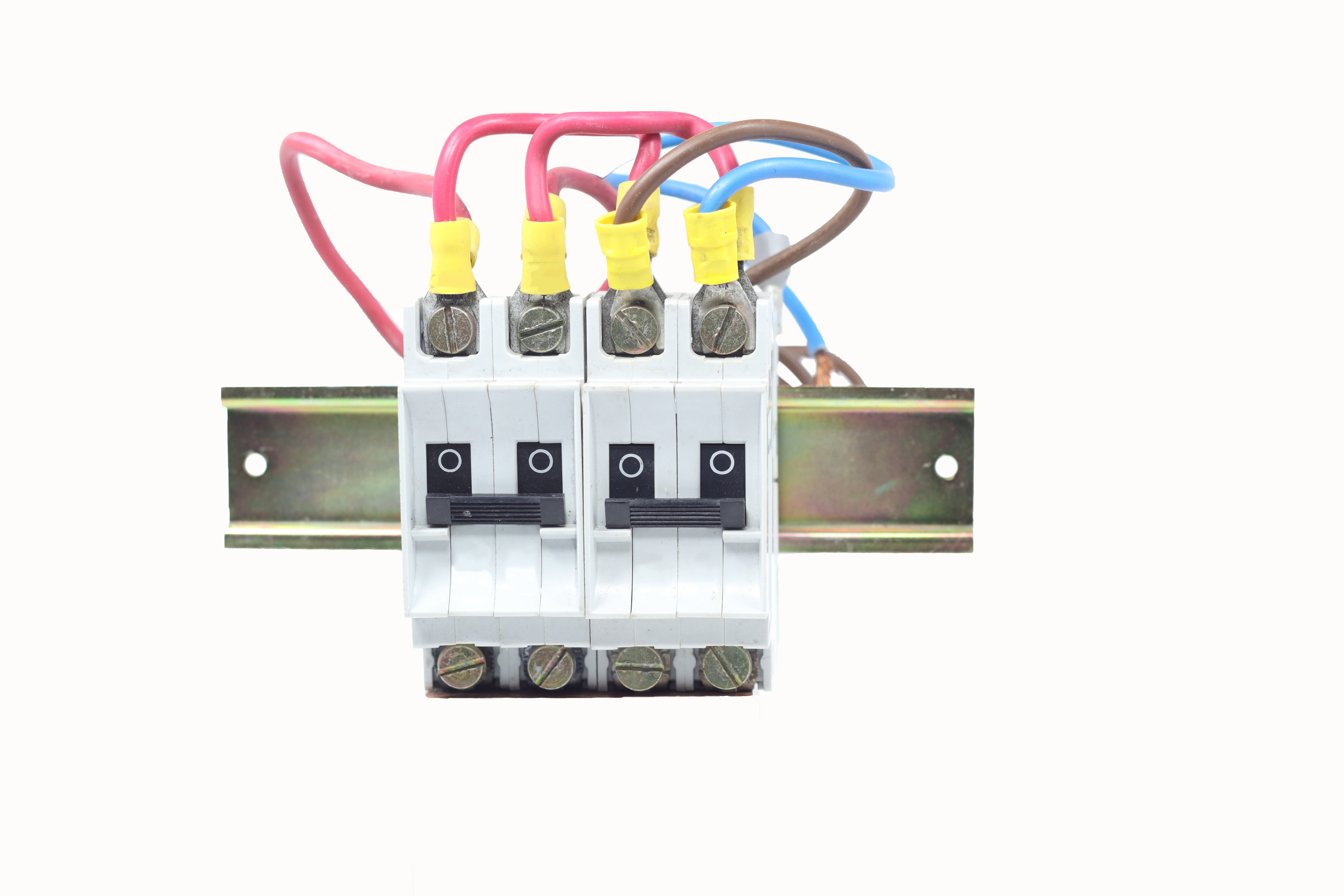
Current-Operated Earth Leakage Circuit Breaker (ELCB)
A current-operated ELCB, commonly known as RCCB, works by detecting imbalance between phase and neutral current. Under normal conditions, current remains balanced. When leakage occurs, this balance is disturbed. The device senses this difference and disconnects the supply quickly to prevent shock or damage.
Key Points:
• Operates on current imbalance, not voltage
• Uses a core-balance transformer for detection
• More accurate and sensitive than voltage-operated ELCB
• Widely used in modern residential and industrial systems
• Trips even with small leakage currents
About the Construction of ELCB
An Earth Leakage Circuit Breaker (ELCB) consists of several key components:
• Core: The centre of the ELCB comprises a ferromagnetic core, such as iron or steel, which is a material based on a toroidal arc or ring-shaped magnetic core. The conductors of the electrons pass along the central opening of the part, which serves as the sensor circuits and the system to cause the breaker to trip.
• Sensing Circuit: Using a supervising circuit lets current flow through the input conductors constantly. It tells if there is any current disturbance in the electrical circuit, for instance, when the current in the circuit is less than the current being consumed. The transducer part of the circuit commonly takes the differential current transformer (CT) connected with the variable magnetisation core.
• Tripping Mechanism: A fuse or circuit breaker disconnects the power supply when an abnormal condition is detected. In an ELCB, a solenoid coil acts as the primary winding and is magnetically linked to the CT secondary. When a leakage or imbalance current is sensed, the secondary induces a magnetic field in the solenoid, which trips a mechanical mechanism (latch or plunger) to disconnect the supply. Advanced ELCBs may also include manual test buttons and trip indicators
What is the Function of ELCB
The function of ELCB is mainly about keeping people safe. It does not improve power or efficiency. It simply watches where electricity is going. If current starts leaking toward the earth, the ELCB reacts and cuts the supply. This is what the purpose of ELCB looks like in real use.
Detection of Earth Leakage
Electricity is supposed to follow a fixed path. When insulation weakens or moisture enters, some current escapes. The ELCB notices this change immediately. It does not wait for sparks or visible damage. This early detection is what makes the device useful before a small fault turns into a serious safety issue.
Protection Against Electric Shock
Electric shocks usually happen without warning. A wire may look normal from outside. If someone touches a faulty surface, current may pass through the body. The ELCB senses this leakage and trips quickly. The fast action often makes the difference between a mild shock and a serious injury.
Reduction of Fire Risk
Leakage current produces heat slowly. You don’t see it happening at first. Over time, insulation weakens further and fire risk increases. The ELCB cuts power as soon as leakage appears. This stops heating early and helps prevent electrical fires, especially in old buildings or damp environments.
Support for Equipment Safety
ELCBs are designed mainly for people, but equipment also benefits. When leakage is present, machines continue running under unhealthy conditions. By disconnecting power early, the ELCB prevents hidden damage. This helps appliances last longer and reduces sudden failures caused by insulation breakdown.
Meeting Electrical Safety Standards
Many electrical safety rules now expect earth leakage protection. Installing an ELCB helps meet these requirements. More than rules, it shows that safety has been considered during installation. This is important during inspections and also gives confidence that the system is safer to use.
Working Principle of ELCB
In addition to the ELCB full form, you must also know about its working principle. The working of an ELCB is not complicated, but it is very effective. It simply watches how electricity flows in a circuit. If some current starts going where it should not, usually toward the earth, the device reacts. This basic ELCB working principle allows the ELCB switch to cut power quickly before the situation becomes dangerous.
Leakage Current Detection
In normal conditions, whatever current goes into a circuit comes back through the neutral. When insulation weakens or a fault appears, part of that current leaks away. The ELCB notices this difference. This imbalance is the first warning sign and is what triggers the safety action inside the device.
Internal Sensing Action
Inside the ELCB, a sensing unit keeps checking for changes in current flow. Even a small leak is enough to alert it. This sensitivity is important because electrical accidents rarely give clear warnings. The sensing action ensures the function of ELCB starts working before anyone is exposed to serious risk.
Trip Mechanism Activation
Once leakage crosses a safe limit, the trip mechanism responds immediately. There is no delay or gradual process. The ELCB breaker disconnects the supply in a fraction of a second. This fast reaction helps stop current from flowing through unsafe paths, including metal bodies or human contact points.
Power Supply Isolation
After tripping, the faulty circuit is fully isolated from the power source. Electricity does not return until the problem is fixed. This step explains what is the purpose of ELCB in real situations. It forces attention toward the fault instead of allowing unsafe operation to continue silently.
Manual Reset After Repair
Once the leakage issue is resolved, the ELCB can be reset manually. This step ensures someone has actually checked the fault before power returns. It also prevents repeated tripping caused by unresolved problems, encouraging safer handling of electrical systems in homes, offices, and industrial spaces.
Application of ELCB
ELCBs are used wherever electrical leakage can create risk. Their application is mostly about protecting people rather than just equipment. In places where moisture, metal surfaces, or frequent human contact exist, the application of ELCB becomes essential. It acts as a safety backup when insulation or wiring does not behave as expected.
Residential Use
In homes, ELCBs protect people during everyday activities. Bathrooms, kitchens, and outdoor sockets are common risk areas. A small fault can become dangerous very quickly. The ELCB switch trips before that happens, which explains what is the purpose of ELCB in residential electrical safety.
Commercial Buildings
Commercial spaces have long wiring runs and many connected devices. Over time, this increases the chance of leakage. Installing an ELCB breaker adds an extra safety layer beyond basic protection. It helps prevent accidents in offices, shops, and public spaces where many people share the same electrical system.
Industrial Applications
Factories deal with machines, vibration, and heavy electrical loads. These conditions slowly wear insulation and connections. In such environments, the application of ELCB helps reduce the risk of shock and fire. It becomes especially important where workers operate or maintain equipment regularly.
Outdoor and Moist Areas
Water and electricity do not mix well. Outdoor lighting, pumps, and construction tools face constant moisture exposure. This lowers insulation resistance. Here, the function of ELCB becomes critical, as it disconnects supply the moment leakage appears, reducing serious safety hazards.
Medical and Sensitive Locations
Hospitals and labs require higher safety standards. Even minor leakage can affect patients or sensitive devices. The ELCB working principle ensures fast isolation without relying on overload conditions. This makes ELCBs suitable for places where human safety and equipment reliability are equally important.
Common Causes of Earth Leakage
Earth leakage can arise from various factors, including:
• Insulation Failure: Insulation usually does not fail suddenly. It wears out quietly. Heat builds up over years, moisture seeps in, dust settles, and the material slowly weakens. Small cracks form and nobody notices them. Once insulation loses strength, current begins to leak outside the wire. The leakage then finds the earth, creating a problem without any obvious sign.
• Imperfect Electrical Connections: A lot of leakage issues start at connection points. A screw may look tight but isn’t. A joint may have been rushed during installation. Over time, vibration and heat loosen things further. The current starts behaving unpredictably. It leaks through weak spots instead of flowing cleanly. These small mistakes slowly turn into serious electrical safety risks.
• Poor Earthing Systems: TEarthing is meant to give electricity a safe exit. When that path is weak or damaged, electricity looks elsewhere. It may pass through metal panels, machine bodies, or even walls. This is especially risky in wet conditions. Poor earthing does not always show problems immediately, but when a fault occurs, the danger becomes very real.
• Use of Faulty Equipment: Equipment does not always stop working when it becomes unsafe. A wire inside may be damaged, or insulation may crack, but the device still runs. People keep using it. Meanwhile, current leaks slowly through the damaged parts. Over time, this creates serious leakage, increasing the chances of shock, sparks, or unexpected electrical failure.
• Human Error: Sometimes the issue comes down to how the work was done. Wiring done in a hurry, ignored safety rules, or cheap materials can all create leakage paths. These errors often stay hidden at first. Later, when conditions change or load increases, they show up as earth leakage problems that could have been avoided.
Difference Between ELCB and MCB
ELCB and MCB are often installed together, but they serve different safety purposes. An ELCB focuses on earth leakage and human safety, while an MCB protects wiring from overload and short circuit conditions. Understanding the difference between ELCB and MCB helps in designing safer electrical systems instead of relying on a single protective device.
Below is a detailed ELCB vs MCB comparison.
| Feature | ELCB | MCB |
|---|---|---|
| Main Protection | Earth leakage | Overload & short circuit |
| Human Safety | High | Limited |
| Fire Protection | Leakage-based | Current-based |
| Sensitivity | Very sensitive | Moderate |
| Usage | Safety-focused | Circuit-focused |
Also Read: Difference Between MCB, MCCB, DB, RCB, RCD, RCCB, RCBO, and ELCB Breakers
Advantages of ELCB in Electrical Systems
The advantages of Earth Leakage Circuit Breaker in electrical systems are as follows:
• Personal Safety: By sensing leakage current instantly, the ELCB switch disconnects supply before the shock becomes severe. This is one of the main answers to what is the purpose of ELCB, especially in homes, bathrooms, and workplaces where human contact risk is higher.
• Fire Prevention : When insulation fails or wiring degrades, leakage current can create heat. The function of ELCB is to stop this early. Compared to MCBs, the ELCB vs MCB role focuses more on leakage-related fire prevention rather than overload alone.
• Equipment Protection : Sensitive devices are often damaged by unnoticed earth leakage over time. An ELCB breaker reduces this risk by isolating faulty circuits early. This protection is valuable in systems where costly machines or electronics are connected continuously to the supply.
• Compliance with Regulations: Meeting these standards is not optional in many regions. Installing devices based on approved types of ELCB ensures legal compliance and safer operation. This requirement clearly explains what is the purpose of ELCB beyond protection- it also helps meet statutory electrical safety obligations.
Disadvantages of ELCB in Electrical Systems
Even though ELCBs improve safety, they are not complete protection on their own. They only handle leakage problems. Understanding the disadvantages of ELCB helps avoid the mistake of relying on one device for all electrical faults.• No Protection Against Overload : An ELCB does not react to overload or short circuits. If too much current flows, it stays silent. This is why an MCB is still required. Without overload protection, wires can heat up even when an ELCB is installed.
• Possibility of False Tripping : Sometimes the ELCB trips even when nothing looks wrong. Moisture, dust, or ageing wiring can create small leakage. The device reacts because it is sensitive. While this improves safety, it can also cause unwanted power cuts, especially in humid areas.
• Dependence on Proper Earthing : ELCBs depend heavily on good earthing. If the earth connection is weak or damaged, leakage may not be detected properly. This issue is common in older buildings. Poor earthing reduces the effectiveness of the device during actual fault conditions.
• Difficulty in Fault Identification : When an ELCB trips, it only tells you that leakage exists somewhere. It does not show where the fault is. Finding the exact cause takes time, especially when many circuits and appliances are connected. This can slow down troubleshooting work.
• Higher Cost Compared to Basic Protection : ELCBs cost more than basic circuit breakers. Installation also requires proper earthing and testing. While the safety benefit is worth it, cost can become a concern for temporary setups or very small electrical installations.
Also Read: Earth Fault Protection: Importance, Types & Application
Conclusion
Through this blog, the crucial role of Earth Leakage Circuit Breakers (ELCBs) in protecting electrical networks is clear. All elements that are crucial for earth faults and electrical mishap safety play a direct role in tripping the circuits to guarantee safety by preventing accidents, injuries, and damage to the property. The ELCBs offered at the Lauritz Knudsen are embedded with modern servicing and functional aspects to address the dynamic nature of the current installations. Get familiar with our selection of ELCB models that elaborate on their functions, types of use, installation strategies, operating principles and effectiveness at maintaining systems integrity, either in domestic or industrial applications. If you need reliability and ingenuity in your purchases, then choose Lauritz Knudsen for innovative and trusted products.
FAQ About ELCB
Q1. How does an ELCB work?
Ans. An ELCB quietly keeps an eye on the flow of electricity in a circuit. If some current starts leaking toward the earth instead of returning normally, it reacts. The power is cut off within moments. The quick response, based on the ELCB working principle, helps prevent bigger problems from developing.
Q2. Can an ELCB prevent electric shocks?
Ans. In many cases, yes. The ELCB full form itself explains its purpose. When leakage current finds an unsafe path, such as through a person, the supply is disconnected. This doesn’t mean accidents can never happen, but it greatly lowers the risk, especially in places with moisture or worn insulation.
Q3. How do you test if an ELCB is working properly?
Ans. Most ELCBs have a test button that should be used from time to time. Pressing it creates a small internal fault. If the ELCB switch trips immediately, it’s doing its job. If nothing happens, the device should not be trusted and needs checking or replacement.
Q4. How do you choose the right ELCB for a specific application?
Ans. The right ELCB depends on where it will be used and what it protects. Homes usually need higher sensitivity for people, while factories focus more on equipment. Knowing the function of ELCB and how ELCB vs MCB protection differs makes selection much easier and more practical.
Q5. What is the minimum tripping current of an ELCB?
Ans. For most homes, ELCBs trip at around 30 milliamps. This level is chosen because it offers good protection against electric shock. In industrial systems, higher values are often used since the priority there is preventing fire or damage rather than direct human contact.
Q6. What is the working voltage rating of common ELCBs?
Ans. ELCBs are made to match standard electrical supplies. In homes, they usually work with 230V systems. In industrial or commercial setups, 415V three-phase ratings are common. Choosing the correct voltage ensures the ELCB breaker works smoothly without unnecessary trips or long-term stress.