



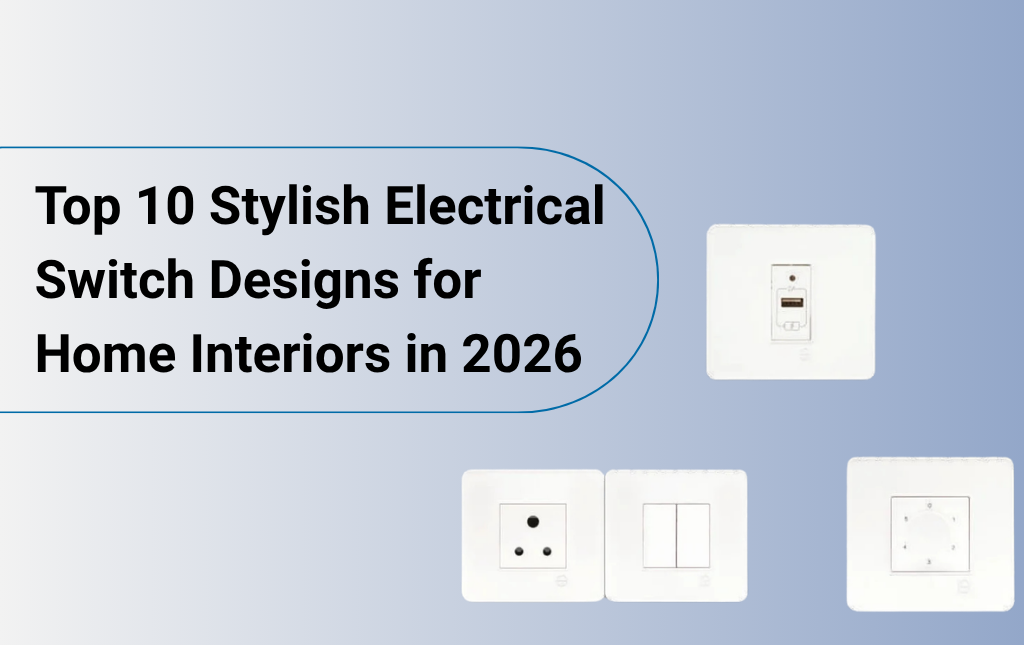
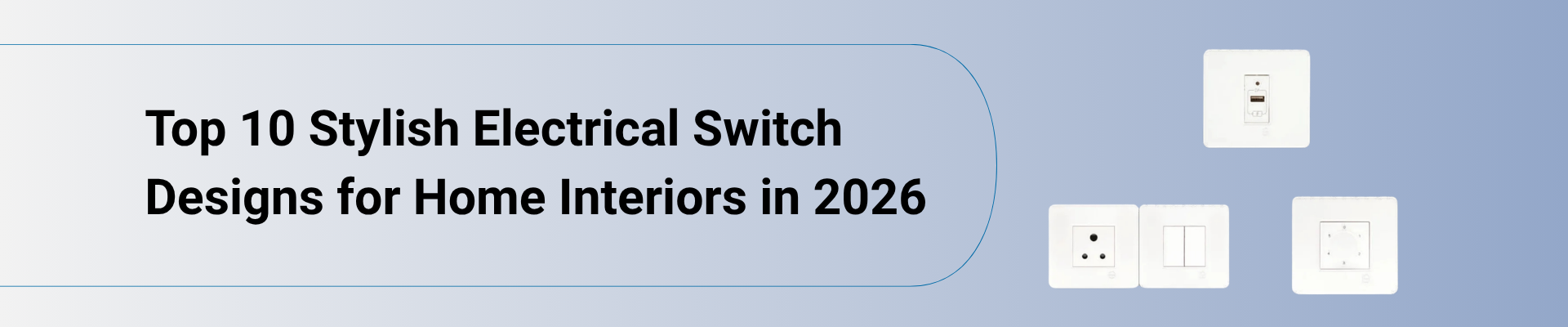
Top 10 Stylish Electrical Switch Designs for Home Interiors in 2026
There’s something oddly satisfying about a well-designed home. Not just the furniture or lighting, but the tiny details that usually go unnoticed. Switches, for instance. Most people don’t think about them until they look out of place. Now imagine a beautifully painted wall paired with an outdated switchboard. It breaks the flow instantly. That’s exactly why switch design for home is getting more attention lately.
In reality, switches are no longer just functional elements. They have quietly become part of interior styling. The electric switch design for home today blends technology with aesthetics in ways that didn’t exist a few years ago. Once noticed, it’s hard to ignore how much difference the right switch can make.
Table of Contents
Why Choose Modular Switches
Modular switches didn’t become popular overnight. It happened gradually. People started noticing cleaner walls, easier usage, and better durability. A good house switch design today isn’t bulky or distracting. It sits neatly, works smoothly, and just feels right in a modern setup.
1. Seamless Aesthetics
Older switchboards had a habit of standing out and not in a good way. Modular ones changed that. They sit flush against the wall, almost blending in. For example, a soft beige panel on a neutral wall barely interrupts the design. That’s where a modern switch design for home works best, it complements without trying too hard.
2. Flexibility in Design
Rooms change over time. Interiors evolve. Modular switches keep up with that. Plates can be replaced, layouts adjusted, finishes updated. It’s not locked forever. Switches for home design now allow flexibility that wasn’t even considered earlier. This small adaptability makes a big difference when redesigning spaces.
3. Enhanced Safety Features
Looks aside, safety matters. Modular switches are designed with better insulation and protective features. In reality, this is where they quietly outperform older systems. Stylish switches design for home today don’t just sit pretty. They are built to handle daily usage safely, especially in homes with kids.
4. Easy Maintenance & Replacement
Things wear out. That’s normal. But replacing an entire switchboard? That used to be frustrating. Modular systems simplify it. Only the faulty part gets replaced. No unnecessary changes. With switches & socket setups designed this way, maintenance becomes less disruptive and, honestly, far less annoying.
5. Smart Integration Compatibility
Homes are getting smarter, slowly but surely. Modular switches are already aligned with that shift. Many support automation upgrades without major rewiring. A simple installation today can support future tech without redoing everything from scratch.
Tips to Choose Modular Switches
Choosing switches isn’t as straightforward as it seems. It’s not just about looks sitting on a display shelf. The right switch design for home depends on usage, placement, and finish. And sometimes, the best choice is the one that doesn’t draw attention at all.
1. Match with Interior Theme
Every space has a mood. Some feel warm, others sharp and modern. Switches should follow that tone. A mismatched panel can feel oddly distracting. The electric switch design for home should quietly align with the interiors and not compete with them. When it fits naturally, the entire room feels more put together.
2. Consider Usage Areas
Not all switches go through the same wear and tear. Kitchen switches work harder. Bedroom ones, not so much. Bathrooms need extra protection. This is where a practical house switch design matters more than just visual appeal. Placement and usage patterns should guide the choice, not just design trends.
3. Focus on Finish & Material
Glossy looks great, until fingerprints show up. Matte feels subtle but may not suit every theme. Materials behave differently over time. Finishes affect daily experience. Choosing the right one ensures the switch still looks good months down the line, not just on installation day.
4. Opt for Ergonomic Design
A switch should feel easy. That’s it. No effort, no awkward pressure. Some switches click too hard, others feel too loose. A good modern switch design for home balances this well. It responds quickly and feels natural. It’s a small detail, but one that gets noticed every single day.
5. Check Compatibility with Smart Systems
Even if smart features aren’t needed immediately, it helps to be prepared. Choosing switches for home design that allow upgrades later saves time and effort. Think ahead. Because once automation becomes necessary, replacing everything feels like unnecessary work that could have been avoided earlier.
10 Best Electrical Switch Designs for Home Interiors in 2026
Switch designs have changed more than expected. They are no longer just functional add-ons. They contribute to the overall feel of a space. Stylish switches design for home today combine minimalism, texture, and technology in ways that feel natural rather than forced.
1. Glass Finish Touch Switches
These instantly stand out. Smooth glass, soft illumination, touch controls- it all feels a bit futuristic. They work especially well in modern interiors. Paired with switches & socket layouts, they create a neat, uninterrupted look. Not overly flashy, but definitely noticeable in the right way.
2. Matte Finish Minimal Switches
Matte switches don’t try too hard, and that’s their strength. They sit quietly on the wall, blending into the background. This kind of switch design for home works best when the goal is subtle elegance. No distractions, just clean design that feels easy on the eyes.
3. Metallic Frame Designer Switches
A slight metallic edge can change everything. Gold, chrome, brushed steel- they add just enough contrast. For example, against a textured wall, metallic frames create depth without overwhelming the design. It’s a small addition, but it adds a premium feel instantly.
4. Wooden Finish Switch Panels
Wood textures bring warmth. Especially in spaces that feel too modern or cold otherwise. These panels soften the overall look. Technology combined with natural textures. It creates balance. And that balance is what makes interiors feel comfortable rather than overly designed.
5. Smart Touch & App-Controlled Switches
Convenience drives this trend. Being able to control lights or appliances through a phone feels natural now. This becomes part of daily routine. It’s not just about luxury anymore. It’s about ease and efficiency.
6. Backlit LED Indicator Switches
Ever struggled to find a switch in the dark? These solve that instantly. Soft LED indicators guide visibility without being harsh. This becomes useful at night. It’s a small addition, but one that improves usability in bedrooms, hallways, and even bathrooms.
7. Slim Profile Flush Switches
These are all about subtlety. Ultra-slim designs sit almost flat against the wall, making them barely noticeable. This modern switch design for home works beautifully in minimalist interiors where clean lines matter. They don’t interrupt the wall. They almost become a part of it.
8. Textured Finish Designer Switches
Not all switches have to be smooth. Textured finishes, like brushed, grainy, or patterned surfaces, add depth. They catch light differently and create a slightly tactile experience. It’s something that’s not immediately obvious but becomes noticeable over time, especially in well-lit spaces.
9. Colour-Coordinated Switch Panels
Matching switches with wall colours or furniture tones creates a seamless look. Soft greys, pastels, even bold blacks- everything can be aligned. This approach to switches for home design works best when consistency matters. It avoids visual clutter and makes the space feel thoughtfully put together.
10. Modular Multi-Function Switch Panels
These combine multiple controls in a single plate- lighting, fans, dimmers, sockets. It reduces clutter and keeps things organised. With switches & socket integration, walls look cleaner and more structured. It’s practical, but also visually pleasing in a way that older setups never really achieved.
Also Read: Why Lauritz Knudsen Modular Switches Are Essential for Modern Homes
Conclusion
Switches may seem like small details, but they quietly shape how a space feels. The right choice blends into the design while improving everyday functionality.
For those exploring reliable and stylish options, Lauritz Knudsen SmartShop offers solutions that combine modern design with dependable performance, making it easier to upgrade both look and usability without overcomplicating things.
FAQs
Q. Do switch designs really impact home interiors?
Ans. Yes, more than expected. Poorly chosen switches can disrupt the visual flow, while well-designed ones blend seamlessly and enhance the overall aesthetic of a room.
Q. Are modular switches suitable for all types of homes?
Ans. They work well in both modern and traditional homes because of their flexibility in design and finish options.
Q. What is the most durable type of switch material?
Ans. High-quality polycarbonate and metal-finish switches are known for durability and long-term performance.
Q. Can switch designs affect usability?
Ans. Absolutely. Ergonomic design improves ease of use, especially in frequently used areas like living rooms and kitchens.
Q. Is it worth investing in premium switch designs?
Ans. Yes, because they last longer, look better, and often come with improved safety and functionality features.
Comments