






Lauritz Knudsen Launches Landmark Product Portfolio to Accelerate India’s Manufacturing & Automation Future
Table of Contents
India’s industrial growth is entering a different phase. The focus has shifted from simply adding capacity to improving how systems operate day after day. Reliability, energy efficiency, and safety are now central to decision-making. This is especially because manufacturers face rising costs and tighter timelines.
Against this backdrop, Lauritz Knudsen Electrical & Automation has launched its largest product portfolio in the country. The rollout is aimed at strengthening manufacturing clusters and infrastructure corridors while encouraging wider adoption of smart technologies across industrial and commercial applications.
Manufacturing Growth is now Technology-Led
Indian factories are investing differently than they did a decade ago. Instead of relying heavily on manual oversight, many are turning to advanced automation systems to stabilise operations and reduce unplanned downtime. This shift is visible across sectors. You can see this from food processing and textiles to utilities and infrastructure.
What has become equally clear is that automation cannot function in isolation. The integration of electrical and automation systems is now essential to ensure consistent performance under real operating conditions. Power distribution, control, and monitoring are increasingly treated as parts of a single ecosystem.
Lauritz Knudsen Electrical & Automation Extending Automation Beyond Major Industrial Hubs
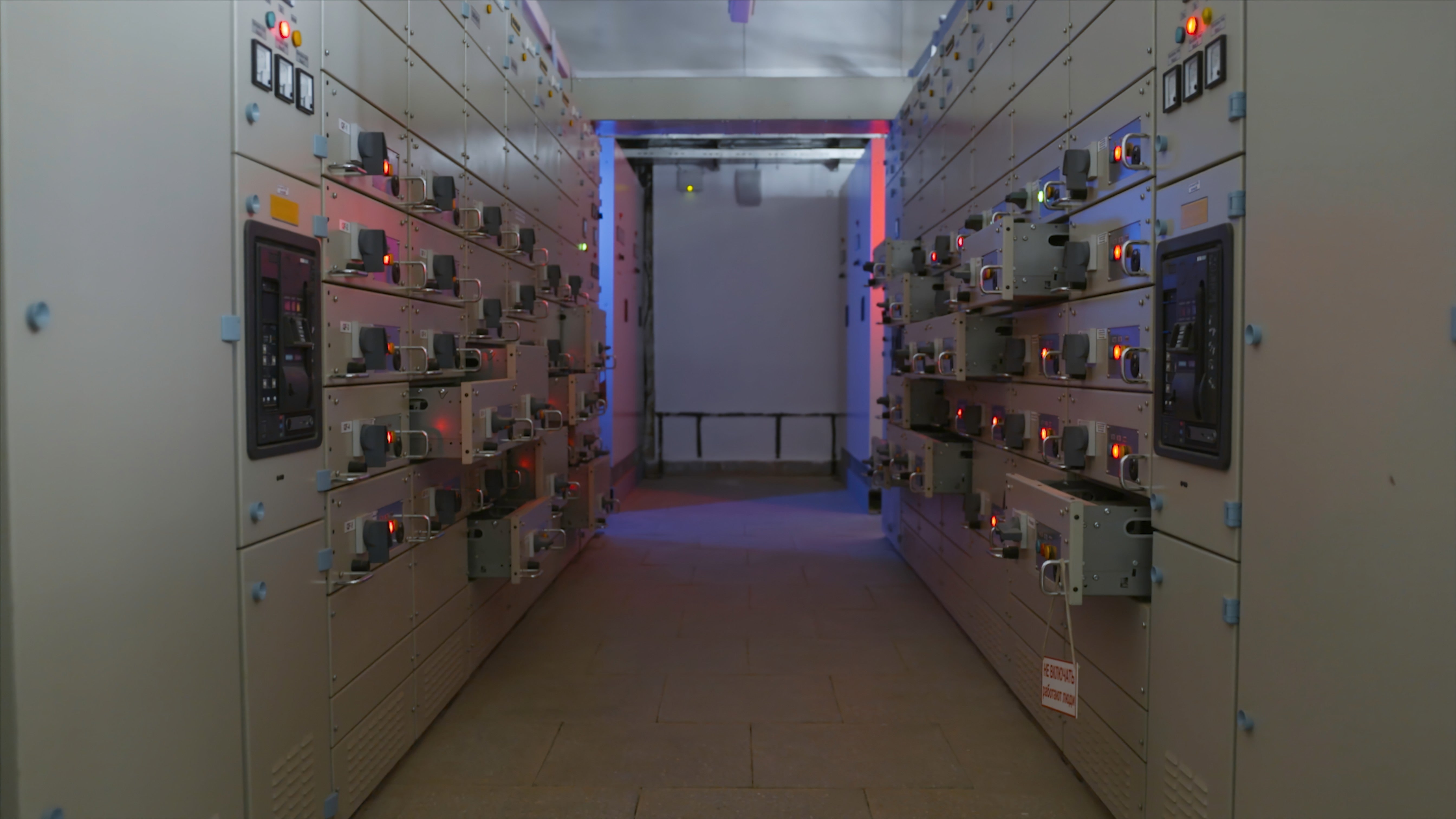
While metro regions continue to play a role, much of India’s manufacturing growth is happening in regional clusters. Supporting industrial automation India at this level requires solutions that are adaptable and not overly complex.
The new portfolio focuses on industrial automation and solutions that can be deployed incrementally. This approach allows manufacturers to modernise without shutting down operations, which remains a practical concern for many mid-sized units.
Electrical Safety Takes Centre Stage
Electrical safety remains one of the most pressing challenges in industrial environments. Many failures occur because faults are detected too late. The portfolio addresses this through integrated electrical safety automation designed to respond quickly to abnormal conditions.
When paired with smart electrical solutions, safety systems become proactive rather than reactive. This helps protect equipment, reduce downtime, and improve overall working conditions.
Low-Voltage Systems for Modern Industry
Power distribution is no longer a background function. Modern plants expect visibility and control alongside reliability. The newly introduced low voltage solutions are designed to support monitoring and diagnostics as part of everyday operations.
Integrated with advanced automation systems, these solutions help operators track energy usage and system behaviour more effectively, enabling better planning and maintenance decisions.
Automation Reaches Homes and Buildings
Automation is no longer limited to industrial settings. Demand for home automation India is growing as residential and commercial users seek better control over energy and safety.
A dependable home automation solution must work consistently across varying electrical conditions. Drawing from industrial expertise, the portfolio applies proven design principles to residential environments, prioritising stability and ease of use.
Smart Living Without Added Complexity
The success of connected systems depends on how naturally they fit into daily routines. Effective smart technologies are those that operate quietly without requiring constant user intervention.
Backed by reliable smart electrical solutions, automated homes can deliver efficiency and safety benefits without adding complexity. This practical approach supports wider adoption.
Strengthening the Automation Ecosystem
At a national level, accessible automation tools contribute to competitiveness. By supporting industrial automation India, the portfolio plays a role in strengthening India’s broader manufacturing ecosystem.
The focus on flexible industrial automation and solutions allows businesses of different sizes to upgrade at their own pace, supporting long-term operational resilience.
Power Systems that Deliver Insight
Electrical infrastructure is increasingly expected to provide information, not just electricity. Strong electrical and automation integration enables systems to share data that supports predictive maintenance and planning.
When combined with advanced automation systems, this integration reduces reactive maintenance and improves operational stability.
Infrastructure and Energy Transition
India’s infrastructure expansion also depends on reliable electrical frameworks. Transport networks, utilities, and public facilities require scalable low voltage solutions capable of continuous operation.
Embedding smart technologies into these systems improves visibility and long-term performance management, supporting sustainable development.
Safety as a Daily Function
Safety is most effective when it is built into routine operations. Systems that include electrical safety automation help reduce risk without disrupting workflows.
When reinforced through smart electrical solutions, safety measures operate in the background, supporting both people and processes.
Where Automation Actually Succeeds or Fails
Most automation projects don’t fail because the equipment is bad. They fail because people hesitate to use it the way it was intended. Inside many Indian factories, teams are juggling production targets, maintenance issues, and everyday fixes. Adding new systems into that mix can feel risky, even when the technology itself is solid.
What usually makes the difference is familiarity. When systems behave in a predictable way and don’t demand constant attention, teams slowly begin to trust them. When they feel complicated or overly sensitive, people fall back on manual habits that feel safer in the moment.
Over time, confidence builds through repetition, not training manuals. Operators notice fewer interruptions. Engineers spend less time reacting to problems. The technology starts blending into routine work instead of standing apart from it.
This kind of adoption happens quietly. It doesn’t come from dramatic upgrades or sudden shifts, but from tools that are designed to fit into existing workflows without forcing change too quickly. That’s where practical design matters most.
By keeping usability at the centre, Lauritz Knudsen Electric supports automation that settles in naturally where people adjust at their own pace and systems become trusted parts of daily operations, not something that needs constant justification.
Also Read: How Artificial Intelligence is Revolutionizing Smart Home Technology?
Conclusion
The product portfolio launch reflects a practical understanding of India’s industrial direction. By focusing on adaptability, safety, and long-term usability, Lauritz Knudsen Electric positions itself as a steady contributor to India’s manufacturing and automation journey.
As home automation India continues to expand and industries deepen their use of automation, solutions that balance intelligence with reliability will shape the next phase of growth.
FAQ's
Q1. Why did lauritz knudsen roll out so many products together instead of spacing them out?
Ans: This is because industries don’t upgrade in neat phases anymore. Most people want to see everything that’s possible first, then decide what to adopt now and what to leave for later. This way, no one is guessing what comes next.
Q2. Does this mean automation is now unavoidable for Indian manufacturers?
Ans: Pretty much, yes. Not because of trends, but because costs, safety rules, and downtime are getting harder to manage manually. Even basic automation is becoming part of staying competitive, not an upgrade for “later”.
Q3. Will these solutions actually work in older plants with messy layouts?
Ans: That’s usually the real test. Many Indian factories aren’t greenfield sites, and the systems seem built with that in mind. The focus looks more on fitting into what already exists than forcing perfect conditions.
Q4. Is this more useful for factories or for infrastructure projects?
Ans: Both, but in different ways. Factories look for control and uptime. Infrastructure looks for stability and safety over long periods. The same systems get used differently depending on who’s installing them.
Q5. Where does Lauritz Knudsen Electric seem to be putting most of its attention right now?
Ans: Regional and mid-sized operations. Big players already have setups. The real momentum is coming from smaller industrial clusters that are modernising for the first time.
Comments